

Dubai Renovation Permit Guide: 7 Approvals Explained
Which approvals your villa or apartment renovation actually needs in Dubai, typical timelines, what can go wrong without them — and how to plan your project so approvals never become a problem.
A Dubai renovation permit is an official approval you need before starting any renovation that changes your home's structure, layout, or MEP (mechanical, electrical, plumbing) systems. In most cases that means two possible layers: Dubai Municipality approval for structural work, and a developer or building-management NOC for apartments and villa communities. Simple cosmetic work — repainting, replacing taps or sanitary ware like-for-like, new curtains — usually needs no permit at all. Timelines vary widely: a building NOC can take days, while full Municipality approval for structural changes can take several weeks, so approvals should be planned into your project schedule from day one. Working without required approvals risks stop-work orders, fines, and problems when you sell or lease the property.
On this page
If you are planning a renovation in Dubai, one question comes before design choices, contractors, and budgets: whether you need a dubai renovation permit for your project. Dubai regulates building work more closely than many newcomers expect — and the rules are not the same for a villa in a master community and an apartment in a high-rise tower. This guide explains, in plain language, which approvals exist, which ones your project is likely to need, how long they typically take, and how to stay on the right side of every one of them.
Why does this matter so much? Because in Dubai, unapproved structural work is not a minor paperwork issue. Building managements and community developers actively monitor renovation activity, neighbours report suspicious work, and the consequences of skipping approvals — stop-work orders, fines, and being ordered to undo finished work — can cost far more than the approval process itself. The good news: most everyday renovations either need no permit at all or need a straightforward NOC that takes days rather than months. Knowing which category your project falls into is the whole game, and that is exactly what this guide gives you.
One honest caveat before we begin: approval rules in Dubai vary by authority, master developer, and even individual building. A rule that applies in one tower may not apply in the one next door. Treat this guide as your map of the system — and always confirm the final requirements with your specific building management or community developer before work starts. If you would rather talk it through first, our team advises on approval requirements every day: message us on WhatsApp and we will point you in the right direction.
Do You Need a Dubai Renovation Permit?
The short answer: it depends entirely on what you are changing. Dubai's system draws one clear line — structural vs cosmetic.
At its core, the dubai renovation permit system exists to protect buildings and the people living in them. Any work that could affect a building's structural integrity, its shared MEP systems, its fire-safety provisions, or its external appearance is regulated. Work that only changes surfaces and finishes inside your own unit generally is not. That single distinction — structural vs cosmetic — answers the approval question for most projects.
In practice, most homeowners are surprised in both directions. Some assume their full kitchen gut-out needs Municipality approval when a building NOC is all that is required; others assume knocking through a partition wall is "just cosmetic" when the authorities treat it as a structural change. The most expensive mistakes happen when projects skip the dubai renovation permit step on the assumption that nobody will notice — in Dubai's actively managed communities, someone almost always notices. The sections below map common projects to their approval needs, and if your project sits in a grey area, that is exactly when to ask before you start, not after.
Structural work — approval required
Removing or adding walls, changing room layouts, altering plumbing or electrical routing, changing windows or the facade, extensions, and any work affecting shared building systems. This is the world of Dubai Municipality approvals and formal drawings — see the seven categories below.
Cosmetic work — usually no approval
Repainting, replacing tiles, taps, or sanitary ware like-for-like, new kitchen cabinets without layout changes, curtains, blinds, and furniture. Your building may still require a simple work notification — see the cosmetic section for the full picture.
7 Renovations That Need Approval in Dubai
Each dubai renovation permit approval exists for a reason. Here are the seven project types that most commonly trigger formal approvals in Dubai:
1Removing or altering walls
Taking down a wall — even one that looks non-structural — changes load paths and fire compartmentation. In apartments this always needs building approval and usually Dubai Municipality sign-off; in villas it needs community and developer approval plus Municipality permits. Never remove a wall on a contractor's verbal assurance that it is safe.
2Extensions and additions
Adding a room, enclosing a balcony, building a majlis, or extending into setback areas changes the building's approved footprint. These are among the most heavily regulated works in Dubai and always require Municipality permits with formal drawings. Setback and height rules vary by community, so confirm yours early.
3Facade, balcony and exterior changes
Anything that alters how your property looks from outside — new cladding, changed window styles, balcony enclosures, external paint colours in villa communities — needs approval, because communities enforce strict aesthetic guidelines. What seems like a small change to you can breach community design codes.
4MEP alterations — electrical and plumbing rerouting
Moving a kitchen or bathroom means rerouting water, drainage, and electrical circuits. Drainage slopes, waterproofing continuity, and electrical loading all have to be verified — which is why rerouting triggers approvals even when no wall is touched. This is the most common trigger for mid-size renovations.
5Kitchen and bathroom layout changes
Swapping the positions of the sink, cooker, or WC is not a cosmetic refresh — it is an MEP alteration and needs approval in most buildings. Like-for-like replacements of sanitary ware and cabinets in the same positions usually do not. Our kitchen renovation and bathroom renovation teams plan layouts with approval requirements in mind from day one.
6Window, door and glazing changes
Replacing windows or external doors with different sizes, styles, or opening types affects the facade, waterproofing, and sometimes structural openings. Even in villas, window changes typically need community approval; in towers they need building-management sign-off at minimum.
7Swimming pools and major landscaping
New pools, structural pergolas, boundary-wall changes, and significant level changes in villa plots need Municipality and community approvals — a pool involves structural, waterproofing, and MEP work all at once. Simple planting and soft landscaping generally do not.

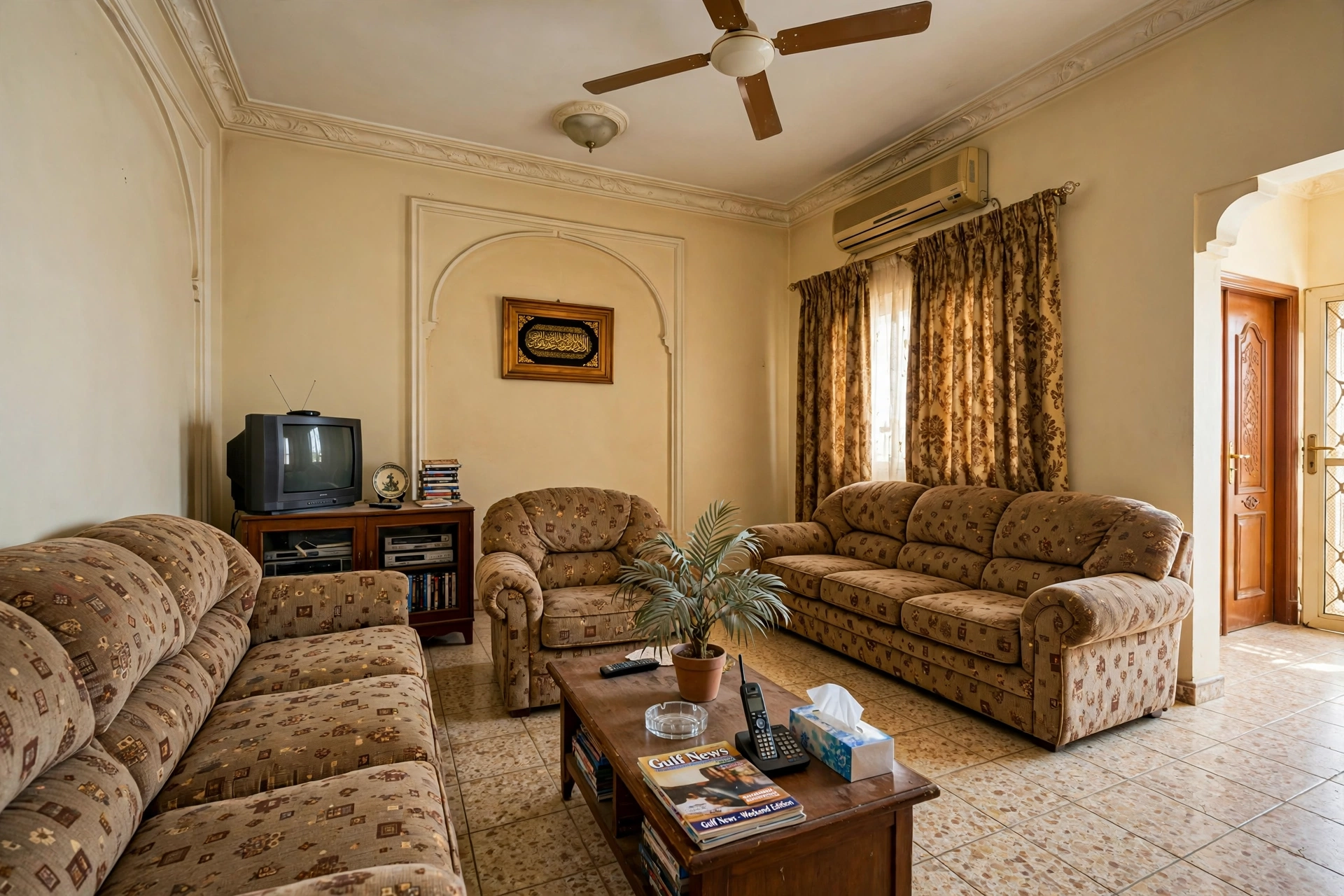
Cosmetic Work That Usually Needs No Permit
Not everything needs paperwork. These common upgrades are generally approval-free — with one caveat below.
Repainting walls and ceilings; replacing tiles without changing the layout; swapping taps, mixers, and shower sets like-for-like; replacing the WC or vanity with equivalent units in the same positions; installing new kitchen cabinets without moving plumbing or electrical points; new curtains, blinds, and light fittings on existing circuits; and general maintenance and repairs. None of these change structure, MEP routing, or the building's appearance, so they sit outside the approval system — which is why a full cosmetic refresh can often start within days of deciding to do it.
The caveat: in apartment towers, your building management may still require a simple work notification — and almost all towers restrict noisy work to set hours and require material-delivery bookings. That is building management, not a government approval, but ignoring it causes the same kind of trouble on site. Always check your tower's fit-out rules before scheduling work, even for a simple repaint.
Dubai Municipality vs Developer NOC: Who Approves What
Two different authorities, two different jobs. Here is who handles what:
A dubai renovation permit from Dubai Municipality is the government-level approval for structural and major works. It typically requires formal drawings, a licensed contractor, and compliance with the Dubai Building Code — and it is the approval that matters for villas and for structural changes in any property type, apartment or villa alike.
The developer or building-management NOC (No Objection Certificate) is the community-level approval. For apartments, this is often the only approval you need for internal non-structural work — your tower's management reviews the scope, sets working hours, and may take a refundable deposit. For villas, the master community developer issues NOCs for external changes and coordinates with Municipality requirements. The two layers are complementary, not alternatives: a building NOC does not replace a Municipality approval where one is required.
Dubai Municipality — government approval
Structural changes, extensions, facade alterations, pools, and major MEP rerouting. Requires formal drawings and a licensed contractor. This is the approval with legal force behind it — skipping it is what leads to stop-work orders and fines.
Developer / building NOC — community approval
Apartments: internal renovations, fit-out rules, working hours, deposits. Villa communities: external changes, landscaping, aesthetic compliance. Often the only approval needed for non-structural work — but still mandatory where your building requires it.
Typical Approval Timelines
How long a dubai renovation permit typically takes depends on which approval you need — and how complete your paperwork is:
Building / developer NOC — days
A straightforward internal apartment renovation NOC is often issued within a few working days once your documents are in order. More complex scopes take longer — submit early and keep a copy of everything.
Dubai Municipality minor works — 1–3 weeks
Regulated but non-structural works with complete drawings and a licensed contractor typically clear in one to three weeks. Incomplete submissions are the main cause of delays, not the review itself.
Structural and major works — several weeks
Extensions, structural alterations, and pools go through fuller review cycles. Plan for several weeks and keep your contractor's schedule flexible around the approval date rather than fixed to it.
What slows approvals down
Incomplete drawings, unlicensed contractors, mismatched documents, and peak-season backlogs. The single biggest accelerator is submitting a complete, correct application the first time — which is why preparation matters more than speed.
Our honest advice: never schedule demolition or book material deliveries against an expected approval date — schedule them after the approval is in hand. A week's delay in paperwork is annoying; a crew standing idle on site is expensive. Build the approval timeline into your project plan from the start and it stops being a source of stress.
What Happens If You Renovate Without a Permit
Working without a required dubai renovation permit is a gamble with poor odds in Dubai. Here is what is actually at stake:
Dubai's communities are actively managed — building security, facility managers, and neighbours all notice construction activity, and unapproved work gets reported routinely. Material deliveries, skip placements, and noisy work are all visible. This is not a system you can quietly slip past, and the authorities treat unapproved structural work as a serious matter, not a technicality.
Stop-work orders
Authorities and building management can halt your project on the spot. Work stops, your contractor demobilises, and nothing restarts until approvals are sorted — which now takes longer, not shorter, because you are starting from a violation.
Fines and penalties
Fines can be imposed for unapproved building work, and they scale with the severity of the violation. We will not quote figures here because they change — but they are designed to hurt more than the approval process would have cost.
Undoing finished work
The most painful outcome: being ordered to restore the property to its approved state at your own expense. A finished extension demolished, a removed wall rebuilt — months of work and money erased because the paperwork was skipped.
Resale and leasing problems
Unapproved alterations surface during property transfers, valuations, and handovers. Buyers, banks, and transfer agents check for approval documentation — missing paperwork can delay or derail a sale years after the work was done.
The pattern is consistent: the approval process feels slow until you compare it with the alternative. Every day spent on proper approvals is insurance against outcomes that cost far more — in money, time, and stress alike.
Your Pre-Renovation Permit Checklist
Run through these six steps before any work begins:
1Confirm with your building or community
Call or visit your building management (apartments) or community developer (villas) and describe your planned work. Get their requirements in writing — this single step answers most approval questions.
2Classify your work: structural or cosmetic
Use the test from this guide: are you moving walls, rerouting pipes or wires, or changing the exterior? Structural means formal approvals; cosmetic usually means a simple notification at most.
3Get drawings prepared if needed
Structural and major works need formal drawings for submission. Have them prepared by a qualified professional before you apply — incomplete drawings are the top cause of approval delays.
4Use a licensed contractor
Dubai Municipality approvals require licensed contractors, and reputable buildings insist on them too. Verify your contractor's credentials before signing anything — this is non-negotiable for structural work.
5Budget time and fees into your plan
Add the expected approval timeline to your project schedule, and keep your dubai renovation permit paperwork, NOCs, and receipts filed together — you will need them at handover or resale.
6Start work only after approvals
However tempting it is to start the small stuff while waiting — do not. Work carried out before approval can itself become a violation, even if the scope would otherwise have been approved.
How Dubai Profixer Keeps You Compliant
Approvals feel complicated because every building is different. Here is how we help you navigate the dubai renovation permit process — honestly:
First, what we do: we advise you on which approvals your specific project is likely to need, based on the scope and your building or community. We coordinate with your building management on the practical side — work notifications, permitted hours, material-delivery bookings — and we keep all site work strictly within the approved scope. Before anything starts, we offer a free site visit and a clear, itemised quote, so you know exactly what is planned and nothing happens by surprise.
And what we do not do: we do not claim to obtain government approvals on your behalf, and we do not shortcut any approval process. Permits and NOCs are issued to the property owner by the authorities — our role is to guide you through the requirements, prepare properly, and execute the work compliantly once approvals are in place. If anyone promises you approvals with "no questions asked", treat that as a red flag, not a selling point.
Not Sure Which Approvals Your Project Needs?
Every building in Dubai has its own rules. Send us a message on WhatsApp describing your renovation plans — the property type, the community, and what you want changed — and we will advise which approvals typically apply and what to confirm with your building management. Free guidance, no obligation.
Renovation Permit FAQs
Related Renovation Services
Planning the work itself? These services are handled by the same Dubai Profixer team — with approvals planned in from day one:
Villa Renovation in Dubai
Whole-villa projects where community approvals and Municipality permits matter most.
Apartment Renovation in Dubai
Full flat renovations — building NOCs, working hours, and tower rules handled properly.
Kitchen Renovation in Dubai
Layout changes need approvals; like-for-like refreshes usually don't. We plan for both.
Bathroom Renovation in Dubai
MEP rerouting triggers approvals — our layouts are designed with compliance in mind.
Maintenance Services in Dubai
Repairs and upkeep that keep your property in approved, well-maintained condition.
Office Renovation in Dubai
Commercial fit-outs with their own approval layers — building NOCs and authority permits.