
Can I Negotiate Painting Contractor Prices in Dubai?
Yes, and most painting contractors in Dubai expect it. Here is how to negotiate prices respectfully and effectively, what is reasonable to ask for, where the line is, and how to focus on value so you never sacrifice quality for a lower number.
On This Page
Asking for a better price on a painting project is not rude, and in Dubai it is not unusual either. Painting contractors here work in a competitive market, quote against rivals every week, and understand that homeowners want to feel confident they are paying a fair price. Negotiation is simply part of how business gets done, as long as it is handled with respect on both sides.
That said, there is a right way and a wrong way to do it. Push too hard and you risk losing the best contractors, who would rather walk away than cut corners to meet an unrealistic number. Negotiate well, though, and you can often save real money or get more value for the same price while keeping the relationship positive. This guide explains how painting quotes work in Dubai, how to negotiate fairly, what to avoid, and when prices are genuinely flexible.
Is It Normal to Negotiate Painting Prices in Dubai
Yes. Negotiating is completely normal in Dubai’s painting market, and reputable contractors expect it. Most painting companies build a small margin into their quotes precisely because they know customers will ask for a better deal. A polite request for a discount rarely surprises anyone, and it will not offend a professional contractor.
The culture of negotiation in the UAE applies to services as well as souks. Homeowners routinely collect two or three quotes and use them to have honest conversations about price. Contractors, for their part, would generally rather adjust a quote slightly than lose a good project to a competitor. The key word is slightly. There is a healthy range for negotiation, and there is a point beyond which the contractor starts cutting quality to make the numbers work.
One important distinction. Negotiating with an established painting company is very different from haggling with a random handyman found online. Companies with teams, supervision, and reputations price their work on real costs: paint, labor, preparation, and guarantees. They can negotiate within limits, but they cannot drop below what the work costs to do properly. Keep that in mind, and you will always negotiate from a position of mutual respect.
What a Painting Quote in Dubai Actually Includes
Before you negotiate, it helps to understand what you are paying for. A professional painting quote is not just a number. It is a bundle of materials, labor, and risk management, and each part has its own costs.
- Paint and materials. The brand and grade of paint is one of the biggest cost drivers. Premium washable paints cost significantly more than basic emulsions, and a quote should specify exactly which products are included. Our guide to the best paint brands available in the UAE explains what the price differences mean in practice.
- Labor. A trained painting crew in Dubai is paid per day or per project, and skilled painters are not cheap. Labor typically makes up the largest share of a professional quote.
- Surface preparation. Filling cracks, sanding, masking, and priming often take as long as the painting itself. Quotes that skip preparation are usually the ones that cause problems later.
- Protection and cleanup. Covering floors and furniture, daily tidying, and a final clean all cost time and money.
- Supervision and warranty. Reputable companies include site supervision and a workmanship guarantee, which protects you if anything goes wrong.
When you compare quotes, compare these line items, not just the totals. A quote that looks expensive may simply include better paint and proper preparation, while a suspiciously cheap one may be leaving things out. See our house painting cost guide for typical price ranges in Dubai, and check how long a project takes so you can judge whether a quote is realistic.
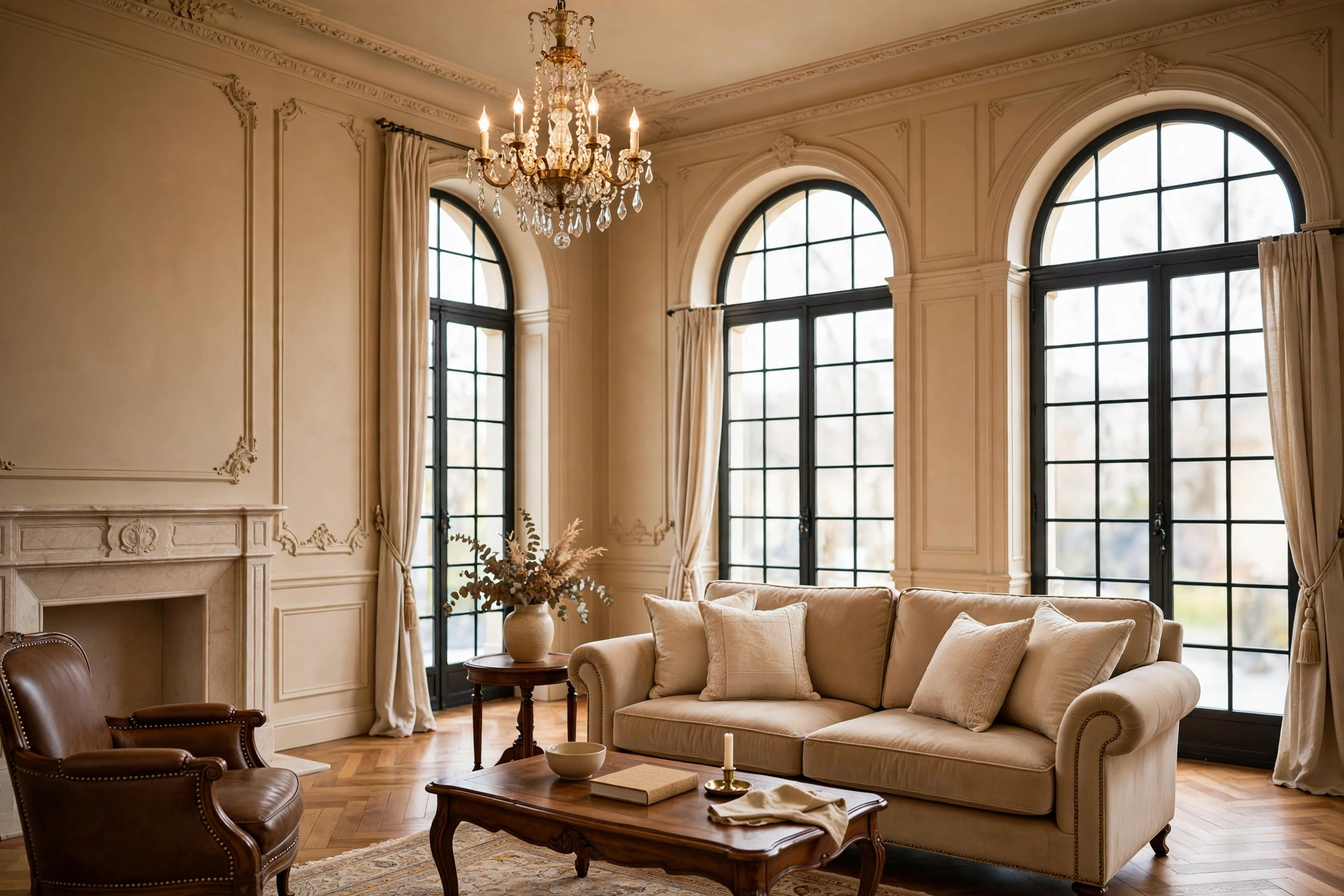
Understanding what a quote includes helps you negotiate from knowledge instead of guesswork.
How to Negotiate Fairly and Get a Better Deal
Fair negotiation is about finding a price that works for both sides. Contractors respect customers who are informed, polite, and realistic, and they often reward that attitude with their most flexible price. Here is how to do it well.
- Get three written quotes first. This is the foundation of every good negotiation. With comparable written quotes in hand, you can ask your preferred contractor to sharpen their price without guessing. Our list of questions to ask before hiring a painter helps you make sure the quotes are truly comparable.
- Be honest about your budget. Tell the contractor what you hoped to spend and ask what they can do within it. Many will suggest sensible adjustments that bring the price down without hurting quality.
- Ask for added value, not just a lower number. An extra coat in high-traffic areas, a longer warranty, or free touch-ups after six months can be worth more than a small discount.
- Offer flexibility on timing. If your schedule is open, ask whether an off-peak slot costs less. Contractors sometimes offer better rates when they can fit your project into a quiet week. Our guide to the best time of year to paint your Dubai home explains when demand dips.
- Bundle the work. Painting the whole villa, inside and out, gives the contractor more revenue from one mobilization, which often unlocks a better per-room rate than doing it in pieces.
- Pay promptly. Some contractors offer a small discount for fast payment, because reliable cash flow matters to them.
Tip: Always negotiate the scope in writing. Whatever you agree on, whether it is a discount, an upgrade, or an extra room, should appear in the final written quote before work starts. A verbal promise made during negotiation is easy to forget once the brushes are out.
What NOT to Do When Negotiating
Some negotiation tactics backfire. They either drive good contractors away or push them to cut the very corners you are paying them not to cut. Avoid these mistakes.
- Do not start with an insulting lowball offer. Offering half the quoted price signals that you do not respect the work, and most professional companies will simply decline the project.
- Do not pit contractors against each other aggressively. Sharing a competitor’s quote is fine. Demanding that someone beat it by a fixed amount, sight unseen, is not. It encourages dishonest quoting.
- Do not ask them to skip preparation. Asking a contractor to skip priming, crack filling, or masking to save money is asking for a bad paint job. The preparation is what makes paint last in Dubai’s climate.
- Do not supply your own cheap paint and expect the same warranty. Many contractors will not guarantee work done with customer-supplied materials, because they cannot control the quality.
- Do not keep renegotiating after agreeing. Reopening the price after work has started, when the contractor has already committed their crew, damages trust and can affect the care put into your project.
The golden rule is simple. Negotiate the price before the work begins, get the agreement in writing, and then let the contractor do the job you hired them to do. If you are moving out of a rental, our move-out painting guide covers how to budget for landlord-approved repaints without overpaying.
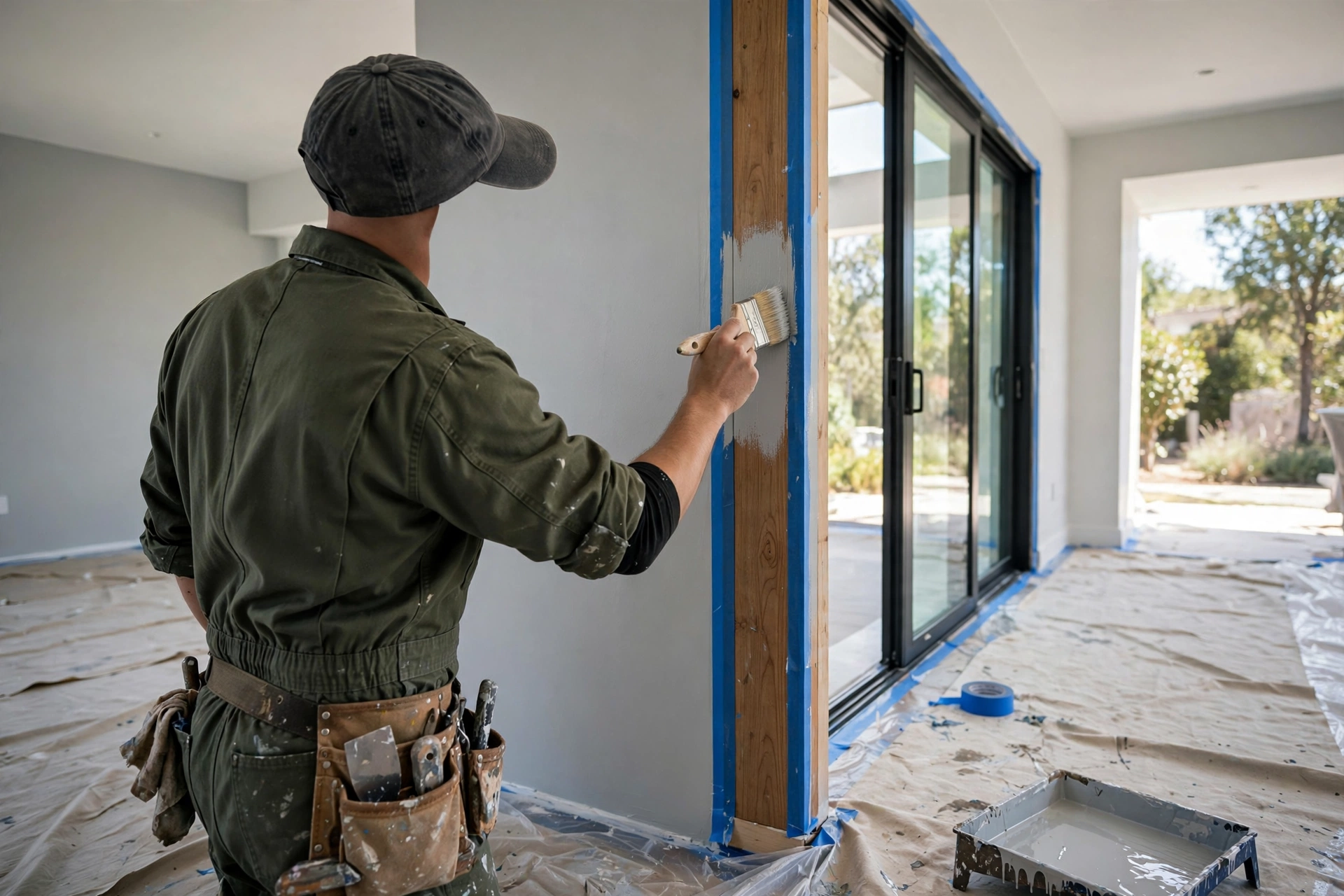
The best negotiations end with a fair price and a contractor motivated to do excellent work.
Getting Value Instead of Just Cutting the Price
The smartest negotiators do not always chase the lowest number. They chase the best value, which is the most quality and peace of mind for the money spent. A quote that is ten percent higher but includes premium paint, proper preparation, and a two-year warranty is usually the better deal.
Think about total cost of ownership. Cheap paint applied without primer in a Dubai villa may need redoing in two years, while a quality job lasts five or more. Spread over the life of the paintwork, the better quote often wins easily.
- Ask what upgrades fit your budget. A contractor might offer washable paint in the living areas for a small uplift that transforms durability.
- Negotiate the warranty, not just the price. A longer workmanship guarantee costs the contractor little if their work is good, but it is worth a lot to you.
- Clarify what happens if something goes wrong. Free touch-up visits, a clear complaints process, and a named supervisor are all negotiable points of value.
If two quotes are close, choose the contractor you trust more, not the cheaper one. Painting is skilled, disruptive work inside your home. The crew you feel comfortable with is worth a modest premium, and that confidence is part of what you are buying.
When Prices Are Flexible and When They Are Not
Not every part of a quote can move, and knowing which parts are flexible makes your negotiation far more effective.
Prices are usually most flexible when the contractor has room to maneuver. Larger projects, flexible timing, repeat customers, and referrals all give contractors reasons to offer their best price. Off-peak months, when exterior demand drops, can also bring more willingness to negotiate on interior work.
Prices are least flexible when costs are fixed. Paint prices are set by suppliers, and labor costs are what they are. If a quote already uses mid-range materials and a lean crew, there may genuinely be nothing left to cut. A contractor who explains this honestly is showing integrity, not stubbornness.
Watch for the warning sign of unlimited flexibility. If a contractor drops their price dramatically the moment you hesitate, ask what changed. A legitimate business cannot cut twenty or thirty percent without removing something: cheaper paint, fewer coats, less preparation, or no warranty. The discount has to come from somewhere, and you should know where.
The healthiest outcome of a negotiation is a price both sides feel good about. You should feel you paid fairly, and the contractor should feel the job is worth doing well. That mutual satisfaction is what gets you a crew that shows up on time, takes pride in the finish, and answers the phone if you ever need them again.
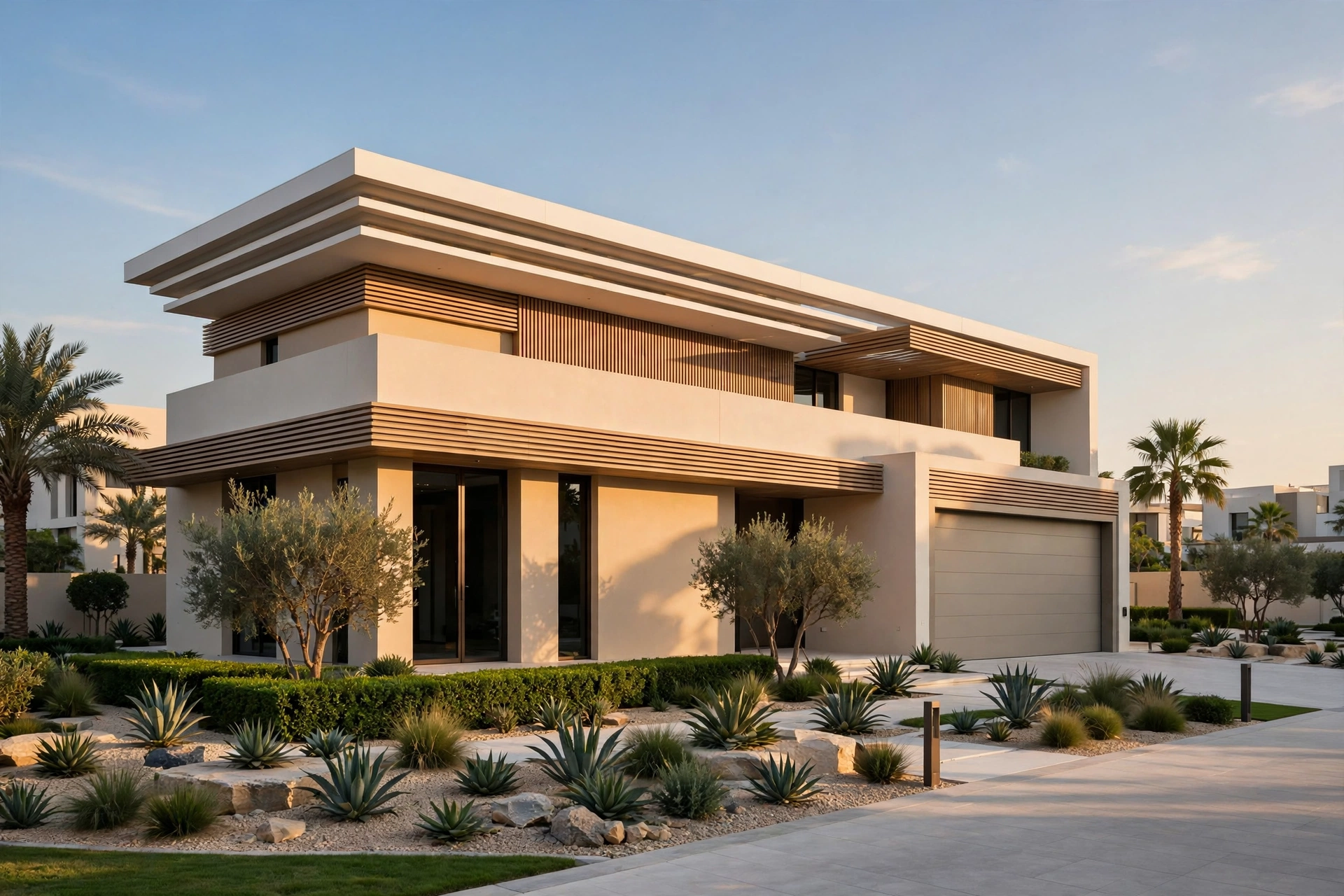
A fair negotiated price keeps both you and your contractor happy, and that shows in the final result.
Get Your Free Painting Quote
Tell us about your project and your budget. We will give you a clear written quote, explain exactly what is included, and work with you to find the best value for your money.
Chat on WhatsAppGet Free Quote
Available 7 AM to midnight, 7 days a week.
Painting Price Negotiation FAQs
Can I negotiate painting contractor prices in Dubai?
Yes. Negotiation is normal and expected in Dubai’s painting market. Most contractors build some flexibility into their quotes, so a polite request for a better price will not offend anyone. Aim for a fair adjustment backed by comparable quotes rather than an extreme discount.
How much discount can I reasonably ask for?
There is no fixed rule, but modest adjustments of around five to ten percent are common when quotes are comparable. Larger reductions usually mean something was removed from the scope, such as a coat of paint or preparation work, so always ask what changed.
Should I get multiple quotes before negotiating?
Absolutely. Three written quotes give you a realistic picture of the market rate and real leverage in negotiation. Make sure the quotes cover the same scope, paint quality, and preparation, otherwise you are comparing different jobs.
Is it rude to negotiate with painters in Dubai?
Not at all, as long as you are respectful. Polite negotiation is part of normal business culture in the UAE. What crosses the line is demanding unrealistic cuts, wasting a contractor’s time with no intention to hire, or renegotiating after the work has started.
What if a contractor refuses to lower their price?
That can be a good sign. It may mean the quote is already lean and honest. Instead of pushing on price, ask about added value such as an extra coat in busy areas, a longer warranty, or flexible scheduling. If the trust and quality are there, paying the asking price is often the right call.
Can I negotiate by reducing the scope of work?
Yes, and this is one of the fairest ways to lower the price. Painting fewer rooms, postponing the exterior, or choosing a mid-range paint are all legitimate scope changes. Just make sure the revised scope is written into the final quote so everyone is clear on what is included.