
Renovating While Living In Your Apartment in Dubai
Moving out for weeks is expensive, disruptive and sometimes simply not possible — so most Dubai residents ask the same question. Can we stay in the flat while it is renovated? The honest answer is yes for most phases, provided the work is phased properly and you set your home up for it. Dubai Profixer wrote this guide from the resident’s side of the door.
This is the practical playbook — how to build a one-room living base, how dust is really managed day to day, how to eat and wash when the kitchen or bathroom is out of action, and the few phases where the honest advice is to sleep somewhere else for a few nights. Underneath the advice sits a service built for exactly this situation, phased room by room so daily life keeps working.

Renovating while living in apartment Dubai homes is realistic for most of a typical project — painting, flooring overlays, cabinet work, joinery and room-by-room refurbishment can all be phased around you. The keys are a sealed one-room living base, honest dust discipline, a mini kitchen corner for the days the kitchen is out, and a bathroom sequence that never leaves you without washing facilities longer than planned. A small number of phases — heavy demolition, waterproofing while it cures, and whole-flat floor work — are genuinely better slept away from. Dubai Profixer plans occupied renovations phase by phase so you know, before work starts, exactly which days you stay and which few nights you might go. Call 0524601612 (7 AM to midnight) or message us on WhatsApp to talk it through.
Yes, You Can Live at Home During Apartment Renovation in Dubai
Let us start with the truth nobody puts on a brochure. Living through a renovation is never completely comfortable. There will be noise on some days, dust to manage on most days, and rooms that are temporarily not yours. Anyone who promises you a renovation you will not notice is not being straight with you. But there is a very large distance between “not completely comfortable” and “impossible” — and most of that distance is planning.
What makes staying realistic is phasing. Instead of opening the whole flat at once, the work moves through it in sequence — one room or one trade stage at a time, with the rest of the home sealed off and functioning. That is exactly how our occupied apartment renovation in Dubai service is structured, and this guide is written to pair with it. The service handles the contractor’s side — phasing, protection, sequencing, daily clean-down. This page handles your side — how to set up, eat, sleep, work and stay sane inside the plan.
It also helps to know where your project sits overall. If you are still deciding how much work your flat actually needs, start with the full picture on our apartment renovation in Dubai hub, then come back here once the scope is clear. The living-through-it strategy differs a lot between a two-week refresh and a full wet-room rebuild, and the rest of this guide is organised so you can read the parts that match your scope.
Set Up a One-Room Living Base Before Work Starts
The single decision that decides whether living through renovation feels manageable or chaotic is the base room. Pick one room — ideally the one scheduled last in the programme, with a door that closes — and turn it into a complete micro-home before the first tool arrives. Everything daily life needs lives inside it. Everything else in the flat is either protected storage or work zone. These six moves build the base properly.
Choose the Last Room in the Sequence
Your base should be the room renovated last, so you are not moving camp mid-project. A bedroom with an en-suite is the ideal base where the flat has one — sleeping, washing and dressing in a single sealed zone.
Move the Daily Essentials In
Bed, a week of clothes, toiletries, chargers, kettle, work kit, children’s school things, pet supplies, medicines and documents. If you have to cross the work zone for it every day, it belongs in the base instead.
Seal the Base Against Dust
The base door is your border. Keep it closed during work hours, with a towel or draft strip along the bottom gap. Dust discipline starts with treating one room as clean territory and defending it properly.
Build a Mini Kitchen Corner
A kettle, a microwave or small hotplate where building rules and common sense allow, a mini fridge if the main one will be unreachable, and one box of plates, cutlery and mugs. This corner carries you through the kitchen phase.
Keep One Clear Walking Path
Agree the route between the front door, your base and the bathroom before work starts, and keep it sacred — no stored materials, no toolboxes, no trailing cables. A clear path is a safety feature, not a luxury.
Protect Sleep Above Everything
You can tolerate a lot during the day if you sleep well at night. Sound bedding, blackout curtains, and a base room that is cleaned and aired every evening matter more than any other comfort on this list.
Most of this setup is a weekend of work, and it is far easier done before the crew arrives than improvised around them. Our step-by-step preparing your apartment for renovation guide covers the packing, protecting and paperwork side in full — what to box, what to store off-site, and what to hand over or secure before day one.

Dust Is Managed, Never Promised Away
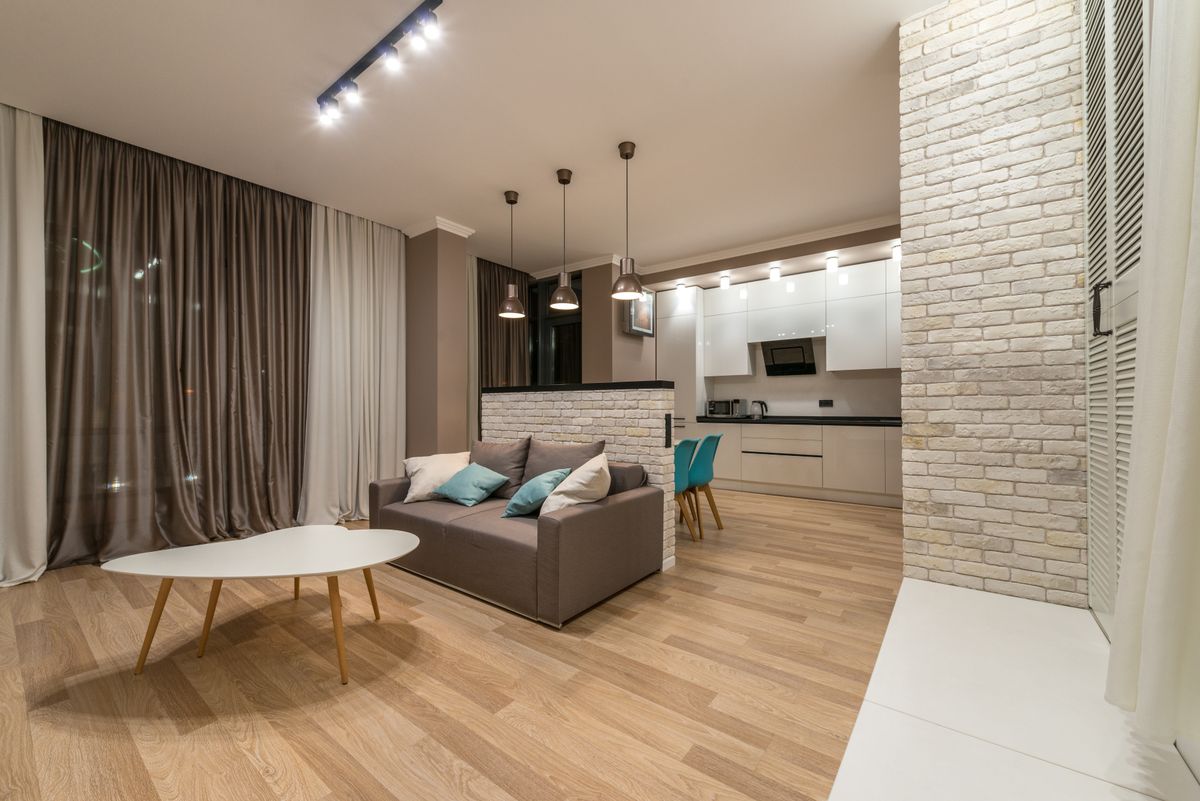
Here is the sentence we say to every occupied-renovation client, and we will put it in writing here too. Renovation dust cannot be eliminated. Cutting, sanding, chasing and demolition put fine particles into the air of a flat, and fine particles travel. What can be done — and what separates a bearable project from a filthy one — is disciplined containment and daily removal, from both sides.
What the Contractor Side Should Be Doing
- Sealed work zones — the room being worked on is closed off with sheeting over the doorway, so dust is contained where it is made rather than drifting through the flat.
- Protection before tools — floors on the walking path, furniture being kept, and anything near the work zone are covered before work begins each phase, not after the first dusty day.
- Dusty stages grouped — cutting and sanding are batched into defined windows, so the flat is not mildly dusty all day but properly dusty for a short, known period you can plan around.
- Daily clean-down — the work zone and path are swept, vacuumed and left safe at the end of every day. You should never come home to yesterday’s dust plus today’s.
What the Resident Side Should Be Doing
- Defend the base room door — closed during work hours, gap sealed, and a damp mat or towel at the threshold catches what shoes carry in.
- Work clothes stay out of the base — anything worn in the work zone gets shaken out and changed before it reaches your bed. Dust rides on fabric more than on air.
- Wipe and damp-mop little and often — a daily ten-minute damp wipe of base-room surfaces stops fine dust building into that gritty film everyone hates.
- Seal the soft things — bedding, towels and clothes not in daily use go into closed bags or boxes. Fabric is a dust magnet and the hardest thing to clean afterwards.
- Run the air conditioning sensibly — keep the base room door shut so the system is not pulling work-zone air across your sleeping space, and expect filters to need attention after dusty phases.
Handled this way, dust becomes a chore rather than a crisis — noticeable on heavy days, dealt with by evening. The dustiest stages are also the most predictable ones, and our apartment renovation timeline guide walks through the usual order of phases so you can see in advance which weeks will be dusty, which will be noisy, and which will be mostly quiet finishing work.
Life Without a Kitchen or Bathroom for a Short Stretch
The two rooms that genuinely test a stay-at-home renovation are the kitchen and the bathroom, because they are the rooms daily life cannot skip. The good news is that both phases are usually shorter than residents fear, and both have workable routines if they are planned rather than improvised.
Cooking Without a Kitchen
For the days the kitchen is dismantled or disconnected, your mini kitchen corner in the base room takes over. A kettle covers hot drinks, noodles, soups and porridge. A microwave covers reheating and simple meals. A small fridge keeps milk, fruit and leftovers safe. Add one washing-up bowl and a routine — wash up in the bathroom basin or a bowl in the base room, dry on a small rack, and keep the whole operation inside your clean zone. Many residents simplify further during the shortest stretch — sandwiches, salads, rotisserie and delivery for a few days is not defeat, it is logistics. The kitchen phase in a phased renovation is sequenced so this period is days, not weeks, and the programme tells you in advance exactly which days they are.
Bathroom-Sharing Workarounds
In a two-bathroom flat, the answer is simple — one bathroom is renovated while the family shares the other, then they swap. In a one-bathroom flat, sequencing is everything. The work is ordered so the WC and a water point come back into service as early in the phase as the work honestly allows, and the most disruptive steps — the ones where nothing can be used — are grouped tightly rather than spread across the phase. Showers are the usual gap. Practical bridges residents use include a gym membership for the month, a neighbour or family member nearby, or simply planning the tightest days over a weekend away. What matters is that the sequence is agreed before the bathroom is touched, so nobody discovers the plan by living it.
The Phases Where You Honestly Should Stay Elsewhere
A short list of stages is miserable enough that the honest advice is a few nights elsewhere — with family, friends, or a short rental — if you possibly can. Heavy demolition days, when breaking-out noise and dust peak. Waterproofing application and curing in the bathroom, when the room is completely out of bounds and the work cannot be hurried. Whole-flat flooring removal or levelling, when no clean walking path exists. And any day your only bathroom is fully disconnected. These phases are short and they are known in advance, which is the whole point of a written programme — you book the nights away for the specific days that need them, not for the entire project.

Children, Pets and Working From Home
Protecting Children During the Work
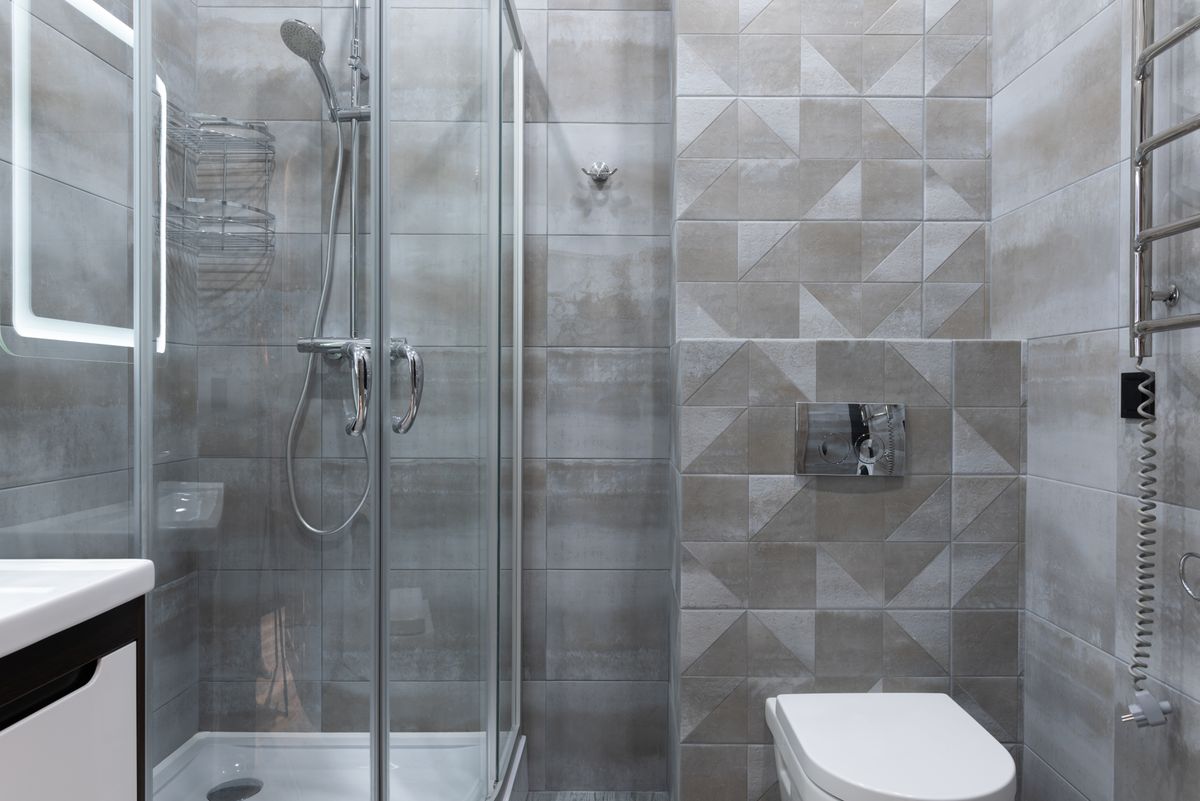
Children are drawn to building work like it is a playground built specially for them, which is exactly why the rules have to be boring and absolute. The work zone is never entered — not to look, not to fetch something, not with an adult holding a hand. Tools, materials and open packaging stay inside it. The clear walking path matters most for children, because they move fast and look at very little. Dust discipline matters more too — a child’s things, bedding and soft toys live sealed inside the base room, and hands get washed after any time outside it. On the heaviest days, the honest pattern most families land on is simple — children out of the flat for the dusty hours, at school, family or activities, and home again after the daily clean-down.
Protecting Pets During the Work
Pets have the worst of a renovation — the noise frightens them, the dust irritates them, and open doors invite them to leave. The base room becomes their territory too, with food, water, litter or bedding set up inside it from day one so the routine never depends on crossing the work zone. Doors are managed like airlocks during the project — one closed before another opens — because a startled pet and a crew carrying materials through an open door is the classic escape story. For the loudest phases, a few days with a trusted friend or a boarding stay is kinder than enduring it, and most pet owners we work with plan at least the demolition days that way.
Working From Home During Noisy Phases
Home working survives a renovation if it is planned around the noise rather than against it. The key is knowing the day’s shape in advance — which hours carry cutting, drilling or breaking, and which are quiet fitting, painting and finishing. Take calls and meetings in the quiet windows, and use the noisy windows for focused work that tolerates headphones. A desk inside the sealed base room, furthest from the work zone, with the door shut, cuts the problem in half on its own. And on the genuinely loud days, most residents we see simply relocate — a café, a coworking day pass, or the office if they have one. With a written programme you know those days a week ahead, which turns them from ambushes into calendar entries.

Keeping Your Neighbours on Side
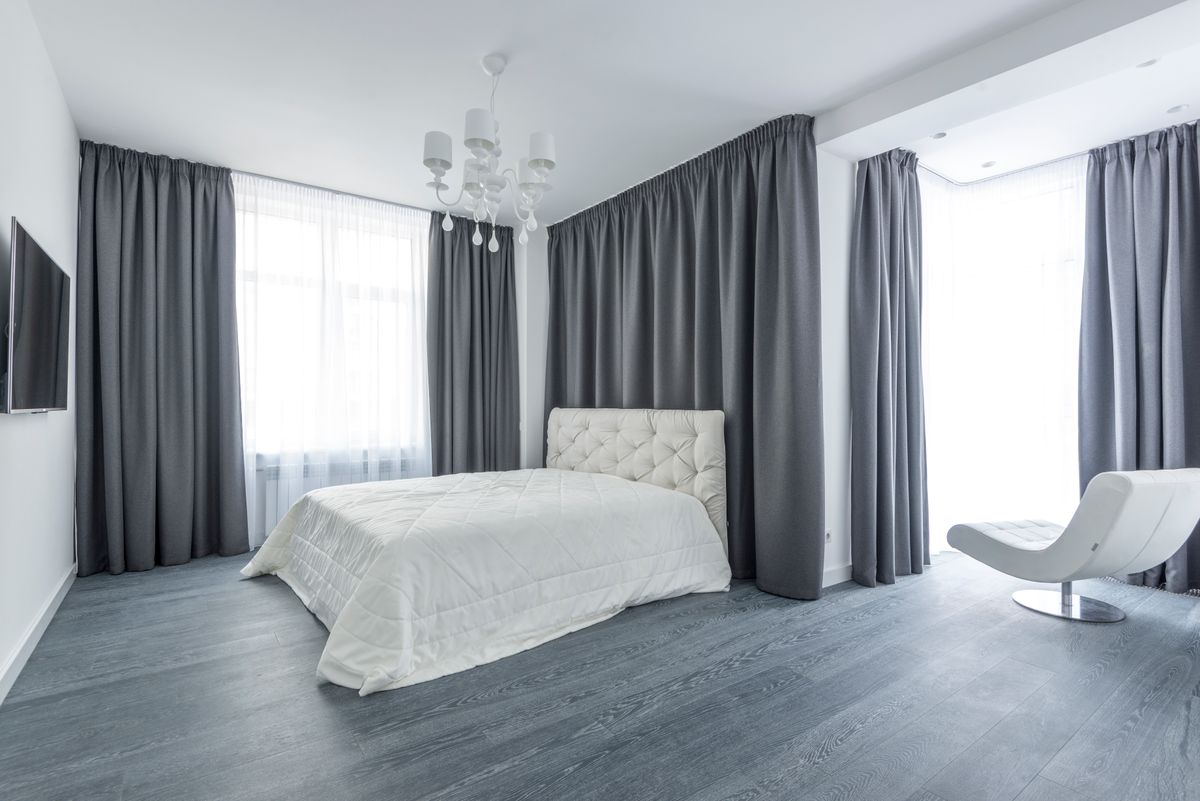
In a Dubai tower, your renovation happens a wall away from other people’s homes, and how it feels to them depends mostly on courtesy and predictability. Buildings differ in their exact rules and arrangements — your contractor confirms what applies in your tower before work starts — but the resident-side habits that keep neighbours patient are the same everywhere.
- Tell them before it starts — a short note or a knock on the door with the rough dates and what to expect converts neighbours from complainants into people who were warned. Surprise noise is ten times more annoying than announced noise.
- Share the shape of the noisy days — if the people next door know the drilling is a Tuesday and Wednesday problem rather than a forever problem, they can plan around it just as you do.
- Keep shared spaces clean — the corridor outside your door and the lift lobby should never carry your project’s dust or debris. It is the most visible daily signal of whether a renovation is being run considerately.
- Respect the building’s expectations — managed buildings set conditions for work in units, and staying inside them protects you as much as anyone. Your contractor works to the building’s requirements as part of the programme.
- Close the loop when it ends — a quick thank-you to the neighbours who endured it costs nothing and is remembered for years in tower life.
None of this is complicated, but it is much easier when the programme is real — when the dates you told the neighbours are the dates the work actually happens. That reliability is a large part of what you are buying with a properly run occupied renovation.
What a Renovation Day Actually Looks Like
Residents often imagine renovation days as uniform chaos. A phased project day actually has a rhythm, and knowing it in advance is most of what makes the experience feel controlled rather than endured. This is the honest shape of a typical day on an occupied renovation with Dubai Profixer.
The Morning Reset
The crew arrives at the agreed time, the work zone is opened and checked, protection is confirmed, and the base room door closes. Your morning routine happens inside the clean zone, on your normal schedule.
The Work Window
The day’s main work runs in its planned block. If it is a noisy day, this is when it is noisy — grouped, expected, and the part of the day many residents schedule out of the flat.
The Midday Breather
Work pauses and the flat breathes. A good moment to air the base room, check progress with the coordinator, and adjust anything about tomorrow while changes are still easy.
The Evening Clean-Down
Before the crew leaves, the work zone and walking path are cleaned down, tools are secured inside the zone, and the flat is handed back to you safe and navigable for the evening.
Your Evening Routine
Ten minutes of resident dust discipline — a damp wipe in the base, laundry into its sealed bag, the door gap reset — then the flat is yours again. Cooking, washing and relaxing happen in the clean zone as normal.
A Quiet Night
Nothing runs at night. You sleep in a sealed, cleaned room while tomorrow’s phase sits behind a closed work-zone door. The project restarts in the morning, not in your dreams.
The pattern that emerges after the first few days surprises most residents — the project stops feeling like an invasion and starts feeling like weather. Known in the morning, managed through the day, gone by evening.
The Stay-or-Go Checklist for Every Phase
Pulling the whole guide together, here is the decision in its simplest form. Most phases belong firmly in the stay column — a few belong in the go column, and the honest contractor tells you which before the programme is fixed, not after you have endured them. If you are still weighing whether your flat needs renovation at all, or a lighter touch, our repair, refresh or renovate decision guide will settle the scope question first.
Staying Works Well When
- Painting and decorating phases — room by room, with the base sealed, these are the easiest weeks of any project to live through.
- Cabinet, joinery and carpentry work — fitting is mostly quiet, dusty moments are short, and the kitchen often stays partly usable around the work.
- One bathroom is being renovated and another works — sharing a bathroom is an inconvenience, not a crisis.
- Flooring is laid room by room as an overlay — you simply move the base as the sequence moves, one planned move per phase.
- Snagging and finishing stages — the final phase is lists, touch-ups and adjustments, barely distinguishable from a maintenance visit.
Book a Few Nights Away When
- Heavy demolition is scheduled — breaking-out days are the loudest and dustiest of the whole project, and they are mercifully short.
- Bathroom waterproofing is applied and curing — the room is fully out of bounds and the schedule cannot be compressed.
- Your only bathroom is disconnected — if there is no WC and no water point, there is no honest version of staying that night.
- Whole-flat flooring is removed or levelled — with no clean path and no finished floor anywhere, the flat is a site, not a home, for a short spell.
- Anyone at home is dust-sensitive — very young children, elderly family members or anyone with breathing difficulties deserve extra caution on the heaviest days.
Renovate Around Your Life, Not Over It
Dubai Profixer treats occupied renovation as a discipline of its own, not as normal renovation with the client inconveniently present. The programme is written around your life — the phase order decided with your base room, bathroom sequence and noisy days agreed before work begins, and one coordinator who knows the plan and answers for it every day. Protection goes down before tools come out, dusty stages are grouped, and the daily clean-down is part of the job, not a favour.
That structure is delivered by the same multi-trade team behind our full apartment renovation in Dubai work — painting, flooring, carpentry, tiling, plumbing and electrical stages under one scope and one point of accountability, so no phase waits on a stranger and no problem belongs to somebody else. You get one written scope, one programme and one number to call.
Our working hours are 7 AM to midnight, every day. Call 0524601612 or message us on WhatsApp — tell us which rooms need work and that you plan to stay, and we will survey the flat, map the phases with you, and tell you honestly which nights, if any, are worth spending elsewhere.
Stay Home. We Will Phase Around You
Book a survey and we will walk your flat, agree the phase order and your stay-or-go days in writing, and give you one scope for the whole renovation. Serving all Dubai areas, 7 AM to midnight.
Living Through Renovation FAQs
Can you live in an apartment while it is being renovated?
Which renovation phases are hardest to live through?
How do you keep dust down while living in the flat during renovation?
What do you eat when the kitchen is out of action?
Can you use the bathroom while it is being renovated?
When is it better to move out for a few nights?
How do you work from home during a noisy renovation?
How do you keep children and pets safe during renovation work?
How much does it cost to renovate an apartment while living in it in Dubai?
Tell Us About Your Apartment
Fill in the form and your message opens directly in WhatsApp, ready to send. We will arrange your site survey and map the phases around your life from there.