
Kitchen and Bathroom First or the Whole Apartment at Once
It is the first question most Dubai apartment owners ask us — should the kitchen and bathroom be renovated first, with the rest of the flat following later, or is it better to empty the apartment and renovate everything in one programme? Both routes are legitimate, and both are wrong for some flats. The right answer depends on the condition of two rooms, the state of what hides behind their tiles, and how you plan to live while the work happens.
Dubai Profixer renovates kitchens, bathrooms and whole apartments across Dubai, so this guide is written from the surveyor’s side of the fence — why the wet rooms carry so much weight, what phasing honestly costs you, when each route wins, and the middle path many owners end up choosing. If you would rather decide with the flat in front of you, book a free site survey and we will walk both routes in the property itself.

If you are weighing up a kitchen bathroom or whole apartment renovation in Dubai, the honest rule is this — renovate the kitchen and bathroom first when the rest of the flat is sound and only the wet rooms are failing, and renovate the whole apartment in one programme when the flat is empty, the systems are at the end of their life, or floor levels and finishes need to flow from room to room. The wet rooms decide because they hold the plumbing, the waterproofing and the tiling — the parts of a flat that cannot be refreshed cosmetically and cannot be reached later without opening finished work. Everything below is the working behind that rule, including the middle path of wet rooms and surfaces now with joinery later.
Why the Kitchen and Bathroom Drive This Decision
Every other room in an apartment is, underneath the paint, a simple box — walls, a floor, a ceiling, nothing hidden that can quietly fail. The kitchen and bathroom are different. They are the only rooms where water is plumbed in, used daily under pressure, and drained away through pipework concealed inside walls and beneath floors. That is why they age faster than any other part of the flat, why their failures are the expensive kind, and why they dictate the sequence of everything around them. Three things in particular decide whether these two rooms can politely wait, or cannot.
Waterproofing Has a Lifespan
The membrane beneath your bathroom floor tiles is all that stands between daily showers and the ceiling of the flat below. It cannot be seen, it cannot be tested without lifting tiles, and when it starts to give up, the first symptom is usually a stain on somebody else’s ceiling. A bathroom whose waterproofing is suspect is a bathroom that cannot wait two years for a later phase.
Plumbing Ages Behind the Tiles
Supply and drainage pipework in older Dubai apartments runs inside walls and under floors, where corrosion, perished seals and tired joints develop completely out of sight. Renewing that pipework means opening the room properly — which is precisely what a renovation does and a surface refresh never can. If the pipes are near the end of their life, the room is due, however good the tiles still look.
Tiling Ties the Room Together
Tiles sit on top of the waterproofing and over the plumbing, bedded as one connected surface. You cannot renew what lies underneath without taking them off — and once the tiles are off, the room is a renovation whether you planned one or not. This is what makes the wet rooms all-or-nothing rooms in a way a bedroom simply never is.
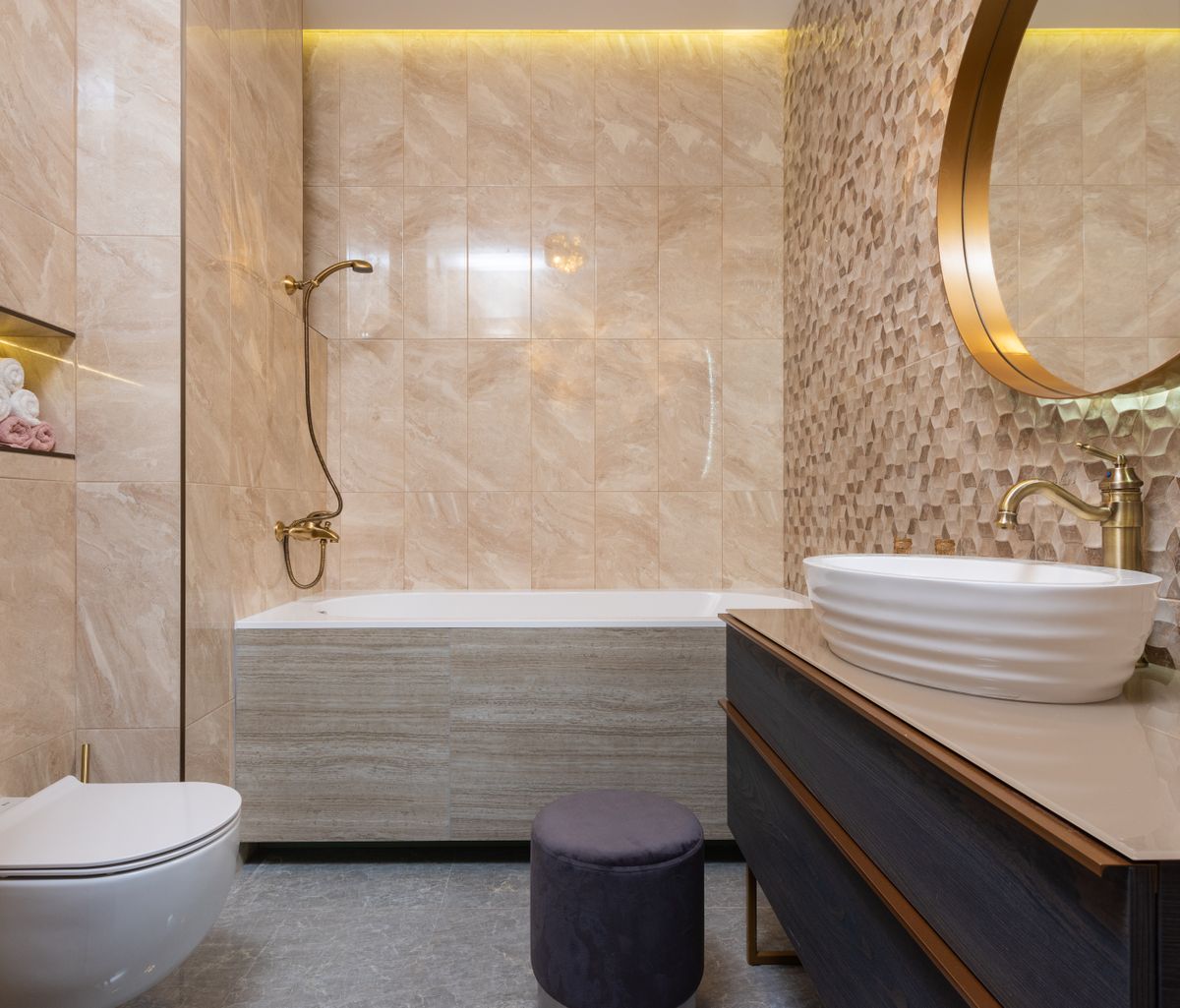
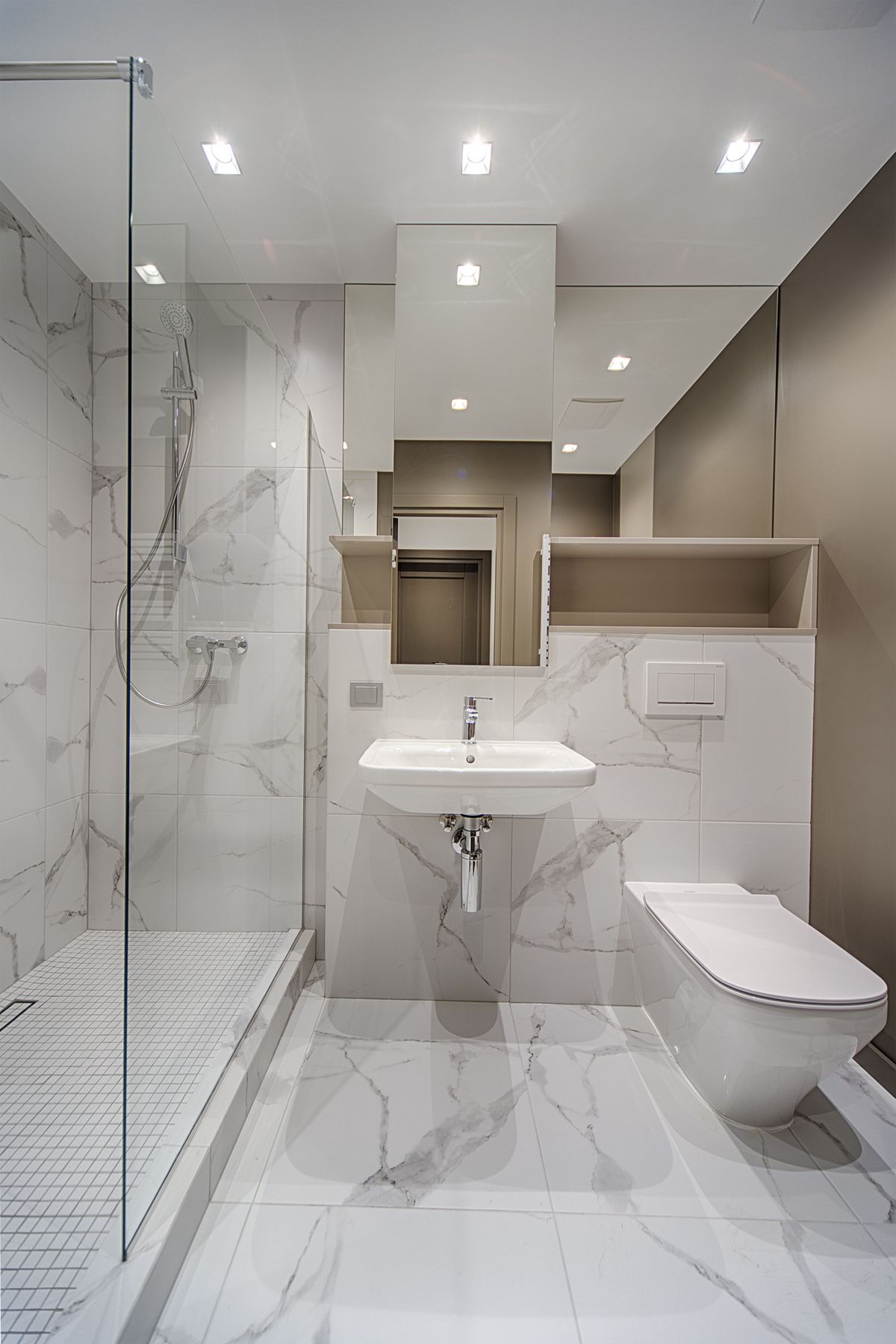
It is also why each of the two rooms deserves planning in its own right rather than as a line on a whole-flat estimate. Our page on kitchen renovation in Dubai walks through cabinetry, worktops and services in a kitchen-only scope, and our page on bathroom renovation in Dubai does the same for waterproofing, tiling and sanitaryware. Treat them as the deep-dives behind the shorter version given here — the sequencing question only makes sense once you know what a proper wet-room renovation actually involves.

What Phasing Really Costs You
Splitting the work into two phases is often presented as the cheaper route because the quotation in front of you today is smaller. Sometimes it is genuinely the right financial decision — but be clear about what phasing adds, because almost none of it appears on that first quotation. The rooms themselves cost what they cost. What follows is the extra that two separate projects carry and one combined project does not.
- Two mobilisations instead of one. The team, the protection, the deliveries and the waste arrangements are set up, taken away, and set up all over again. Every setup is real labour that produces nothing you can see or touch.
- Protecting work that is already finished. In phase two, every route through the flat crosses rooms completed in phase one. New floors get boarded over, new cabinets get wrapped, and fresh paintwork near the work zone gets touched in again at the end.
- Dust and disruption, twice. One renovation means one stretch of noise, dust and tradespeople in your home. Two phases mean two of them, with a return to normal life in between that never quite feels like the flat is finished.
- Finishes that must be matched later. Tile designs, cabinet colours and flooring batches change over time and are sometimes discontinued altogether. A material chosen in phase one may simply not be buyable in phase two, leaving a near-match or a visible seam where the phases meet.
- A second round of arrangements. Access bookings, lift reservations and your building’s working-hour rules have to be organised again for the second phase — in general terms, whatever the building required the first time, it will require again.
When Kitchen and Bathroom First Is Genuinely Right
Phasing has an honest case, and it is stronger than many contractors will admit — because a contractor who wants the whole flat today has no reason to make it for you. Renovating the wet rooms first is the right route in more situations than the industry likes to say, provided the wet rooms themselves are done completely and properly when their turn comes.
- The rest of the flat is genuinely sound. If the paint, floors, bedrooms and living areas have years of life left in them, renovating those rooms early simply throws away value you have already paid for. Sound rooms should be left alone until they are not sound.
- You want to stage the spend honestly. Doing the expensive technical rooms properly now, and the cosmetic rooms when funds allow, beats spreading the same money thinly across everything and doing nothing well. A half-funded whole-flat renovation helps nobody.
- You want to judge a contractor on one room first. A bathroom is a complete, self-contained test of a company’s waterproofing, tiling, plumbing and finishing before you hand them the entire flat. It is a fair test — as long as both routes were quoted up front, so the second phase holds no surprises.
- The flat is occupied or tenanted. A whole-flat programme usually needs an empty flat. Wet rooms first keeps the home liveable around the work, and between tenancies it renews the two rooms tenants judge hardest without taking the flat off the market for a full programme.
The pattern underneath all four cases is the same — the rest of the flat is not holding the wet rooms back, and the wet rooms are not holding the rest of the flat hostage. Where that stops being true, the balance tips, which is exactly what the next route is for.
When the Whole Apartment in One Programme Wins
There are flats for which phasing is not a saving at all, just a delay with extra setup costs attached. If two or three of the situations below describe your apartment, one programme is almost certainly the honest recommendation — and it is the recommendation we will give you at survey even though it is also, plainly, the bigger job.
The Flat Is Empty
An empty flat is the one condition a renovation can never recreate later. Working in it is faster, cleaner and cheaper to organise than working around furniture and daily life — and every extra week of phasing on an empty flat is a week it houses nobody. One programme, one handover, and the flat is finished.
The Systems Are at End of Life
When plumbing, electrics and cooling all need attention in the same few years, opening the flat once is the only sequence that makes technical sense. Pipework and cabling run through every room, and renewing them room by room means reopening finished work again and again.
Finishes Must Flow
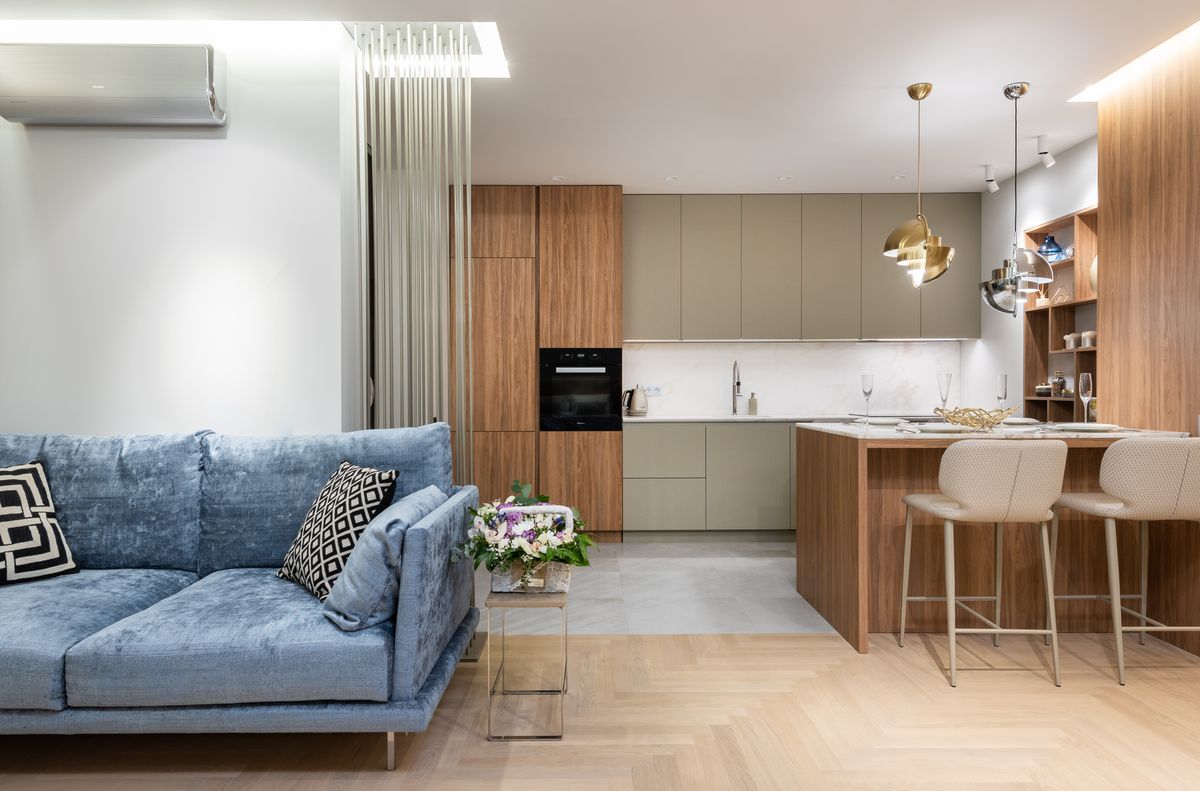
One floor level and one material running continuously from hall to kitchen to bathroom threshold is only achievable in a single programme, from a single batch. Phased floors meet at doorways with transition strips and small steps, and the eye finds the join every single time.
The Two Routes Side by Side
The same decision, laid out plainly. Neither column is the right answer for every flat — the point of the table is to show you which column your flat is already leaning towards before anyone quotes you anything.
| Decision Point | Kitchen and Bathroom First | Whole Apartment in One Programme |
|---|---|---|
| What is renovated | The two wet rooms now, completely. Living areas, bedrooms and finishes follow in a later phase when you choose. | Every room in a single programme, from strip-out to final clean, with nothing left for a later round. |
| Systems and pipework | Renewed inside the kitchen and bathroom only. The rest of the flat keeps its existing services until its phase comes. | Renewed throughout while the flat is open, including the runs that pass through other rooms to reach the wet rooms. |
| Disruption pattern | One shorter disruption now and a second one later, with normal life in between and the flat partly usable throughout. | One longer disruption, usually with the flat empty, after which the home is completely finished. |
| Shape of the cost | A smaller commitment today, but two mobilisations and the protection of finished work are paid for across the two phases. | One mobilisation and one set of arrangements, with the full commitment made in a single decision. |
| Finish matching | The second phase must match materials chosen in the first, which may have changed or been discontinued by then. | One batch of materials throughout, so floors, tiles and colours run continuously from room to room. |
| Best suited to | Sound flats with failing wet rooms, staged budgets, and owners who want to judge a contractor on one room first. | Empty flats, systems at the end of their life, and owners who want one decision, one programme and one handover. |
Wet Rooms and Surfaces Now, Joinery Later
Most owners who sit down with both routes priced in front of them land somewhere between the two extremes — and there is a version of the middle that loses almost nothing. Its logic is simple. Everything involving water, heavy strip-out and tiling is disruptive and interconnected, so it should happen in one mobilisation. Everything dry, clean and self-contained can wait without penalty, because nothing underneath it needs protecting. Split the flat along that line and the phasing trade mostly disappears.
- The kitchen and bathroom are renovated completely, now. Waterproofing, plumbing, tiling, sanitaryware and kitchen cabinetry done properly and finished, not staged within themselves.
- The surfaces of every other room are refreshed in the same visit. Repainting, floor polishing or overlay, and grout and silicone renewal across the flat — so the home feels whole and finished, not half new and half tired.
- Wardrobes, doors and fitted joinery wait for a later, clean phase. They can be measured and designed whenever you are ready, then built quickly with no wet trades, no tiling dust and no need to empty the flat again.
What you give up against a single full programme is only the continuous floor batch and the one-handover simplicity. What you keep is one mobilisation for everything that matters technically, a flat that feels finished from the first phase, and a second phase so clean it barely counts as a renovation at all. Our apartment renovation in Dubai hub page sets out the full cluster of services and guides that sit behind both routes, if you want to read around the decision before the survey.


How the Survey Settles the Question
This decision is rarely settled honestly by photographs, descriptions or a conversation in an office — because the evidence that matters is behind tiles, under floors and inside walls. A proper site survey is what turns the question from a preference into a finding. Here is what ours actually does, in order.
We Test the Wet Rooms
Moisture signs around baths and showers, the condition of grout and silicone, water pressure, drainage speed, and any history of leaks in the flat below. This is what tells us whether your waterproofing and pipework can safely wait, or cannot.
We Grade the Rest of the Flat
Floors, paint, joinery and ceilings are assessed room by room, so a sound room is never sold a renovation it does not need and a tired room is never disguised under the word refresh. The grade of each room is stated in writing.
We Price Both Routes
You receive the wet-rooms-first scope and the whole-apartment scope as two separate written quotations, with the phasing trade-offs stated plainly beside them. Then you choose, with the full picture in front of you and no route quietly favoured.
If you are still one step further back — unsure how deep each room needs to go at all — our guide to repair, refresh or renovate your apartment works through that question room by room, and it is worth reading before sequence even comes into it. Depth first, then order, then price — in that sequence, the decisions stay honest.
Still Torn Between the Two Routes
Bring the question to the flat itself. Book a free site survey and we will test the wet rooms, grade every other room, and price both routes in writing — after which the decision usually makes itself.
Kitchen Bathroom or Whole Apartment FAQs
Should I renovate my kitchen and bathroom first or the whole apartment at once?
Why do the kitchen and bathroom decide the sequence?
Does splitting the work into two phases cost more?
Can I stay in the flat while the kitchen and bathroom are renovated?
When is renovating the wet rooms first the right choice?
When does the whole apartment in one programme win?
What is the middle path between the two routes?
Will the finishes match if I renovate the rest of the flat later?
How does the free survey decide the right route for my flat?
Tell Us About Your Apartment
Fill in the form and your message opens directly in WhatsApp, ready to send. Tell us which way you are leaning, and we will arrange your free site survey and price both routes for your flat in writing. We are available 7 AM to midnight, every day.