
DUBAI HOME PAINTING PREPARATION GUIDE
How to Prepare Your Home for Professional Painting
A practical, room-by-room preparation checklist for Dubai homeowners and tenants. Clear the right things, protect everything that stays, and set your painting crew up for a fast, clean, on-schedule finish.
On This Page
Professional painters can transform a tired villa or apartment in just a few days, but the quality of the finish and the speed of the job depend heavily on what happens before the first drop cloth goes down. A well-prepared home lets the crew move straight into surface preparation and painting instead of spending hours shifting furniture, hunting for power outlets, or waiting for access. Poor preparation, on the other hand, leads to delays, accidental damage, and extra charges.
This guide walks you through exactly how to prepare your home for professional painting in Dubai, from clearing rooms and protecting floors to handling kids, pets, building permissions, and realistic scheduling. Follow these steps and your painters will thank you, and your new paint job will look better and last longer.
Start Preparing Before the Painters Arrive
The best time to start preparing is during the quoting stage, not the morning the crew shows up. When the estimator visits, walk through every room that will be painted and agree on the full scope. Point out cracked walls, damp patches, nail holes, and areas where old paint is flaking, because these need extra preparation time and sometimes extra materials. Take photos of every wall before work begins, including close-ups of existing damage. These photos protect both you and the contractor if there is any later disagreement about what was already there.
Finalize your colors before the start date. Changing colors halfway through wastes paint and time, and in Dubai, popular shades can occasionally need a day to source if the supplier runs low. If you are unsure, ask your contractor for large sample patches on the actual walls rather than deciding from a small card, because Dubai’s intense natural light changes how colors read indoors. Once colors are locked in, confirm the paint brand and finish for each room in writing.
Use the days before the job to declutter. Painting day is the perfect excuse to clear out cupboards, donate what you no longer need, and throw away broken items. The less stuff in a room, the faster the crew can work and the lower the risk of something getting splashed. If you have not used something in a year and it is sitting in the room being painted, move it out now rather than paying someone to work around it.
Clear Each Room the Smart Way
You do not need to empty your house, but every room being painted should be cleared strategically. Start with the small stuff. Remove all wall decor, including picture frames, mirrors, clocks, and curtain rods if the walls behind them are being painted. Take down curtains and blinds, or at least tie them well away from the walls. Clear every shelf, mantel, and windowsill completely, and box up small decorative items, books, and electronics.
Move medium-sized items, like chairs, side tables, floor lamps, and plants, into rooms that are not being painted. If the whole house is being done, stack them in the center of the largest room or in a garage or balcony, covered with a sheet. Disconnect and move electronics such as TVs, gaming consoles, and computer monitors yourself rather than leaving them for the crew. Painters are careful, but your expensive equipment is ultimately your responsibility.
Large, heavy furniture like beds, wardrobes, and sofas can usually stay in the room. Professional crews will shift these to the center and cover them. However, empty the contents of wardrobes and cabinets that sit against walls being painted, because the crew may need to pull them away from the wall. In kitchens, clear countertops completely and empty wall cabinets if the walls behind them are in scope. In bathrooms, remove everything from counters, shower caddies, and the tops of cabinets.
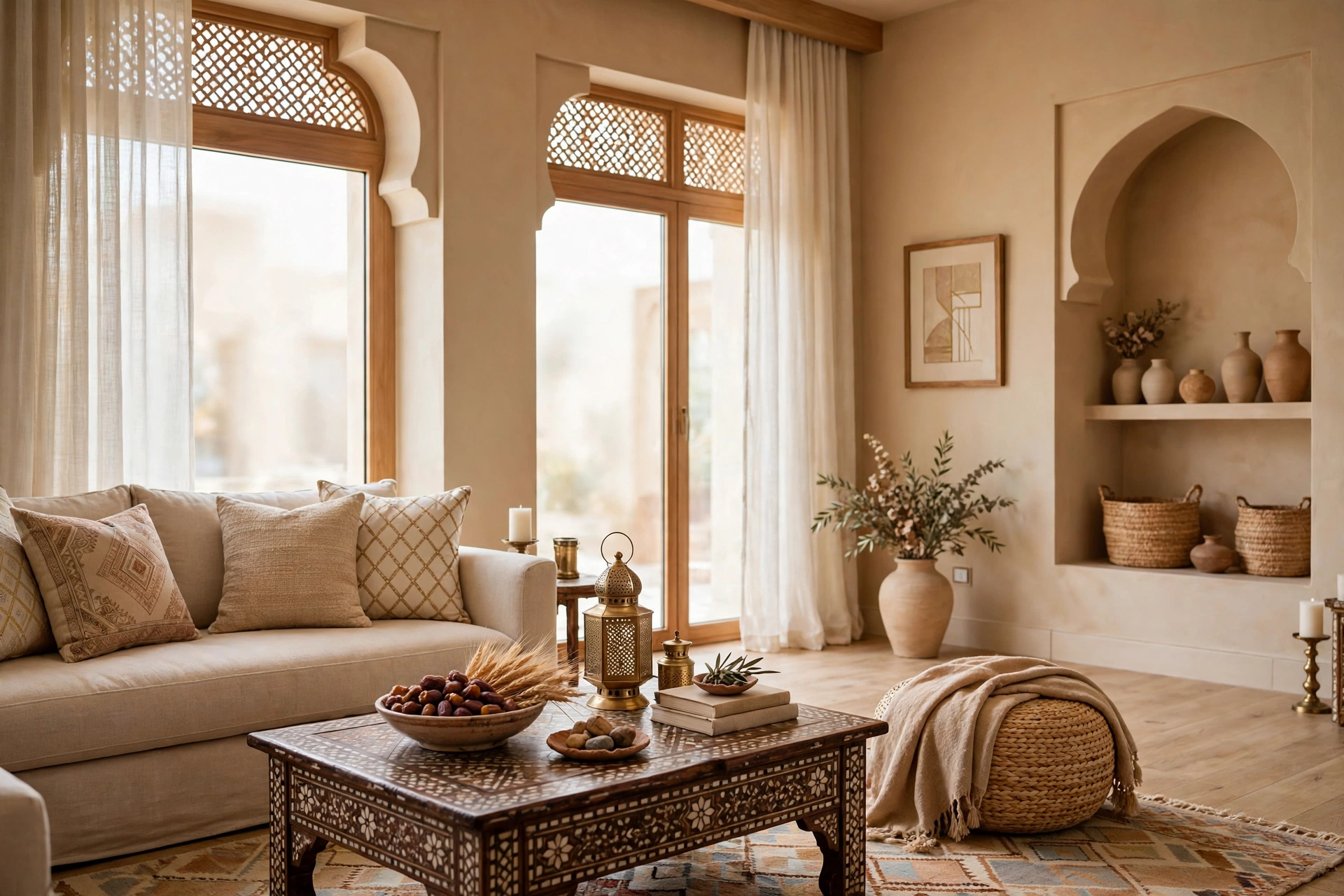
A useful rule of thumb is the arm’s length rule. Painters need about a meter of clear space along every wall being painted, plus room to set up ladders and move freely. Walk each room and check that nothing fragile sits within that zone. If you have built-in furniture or items that cannot be moved, flag them to the crew leader on arrival so they can plan extra protection around them.
Protect Furniture Floors and Fixtures
Even with the most careful crew, painting is messy work, so proper protection is non-negotiable. Professional painters in Dubai normally bring their own drop cloths, plastic sheeting, and masking tape, and laying protection is part of a proper scope. Confirm this in your quote so there are no surprises. That said, protecting your most valuable items yourself before the crew arrives is always smart.
Floors need the most attention. Marble, wood, and tile floors common in Dubai villas and apartments can be stained or scratched if protection slips. Canvas drop cloths are best for floors because they absorb drips and stay in place, while thin plastic sheeting can be slippery and tear. Make sure the crew tapes the edges of the floor covering so it does not shift underfoot. Pay special attention to staircases, where safe footing matters most.
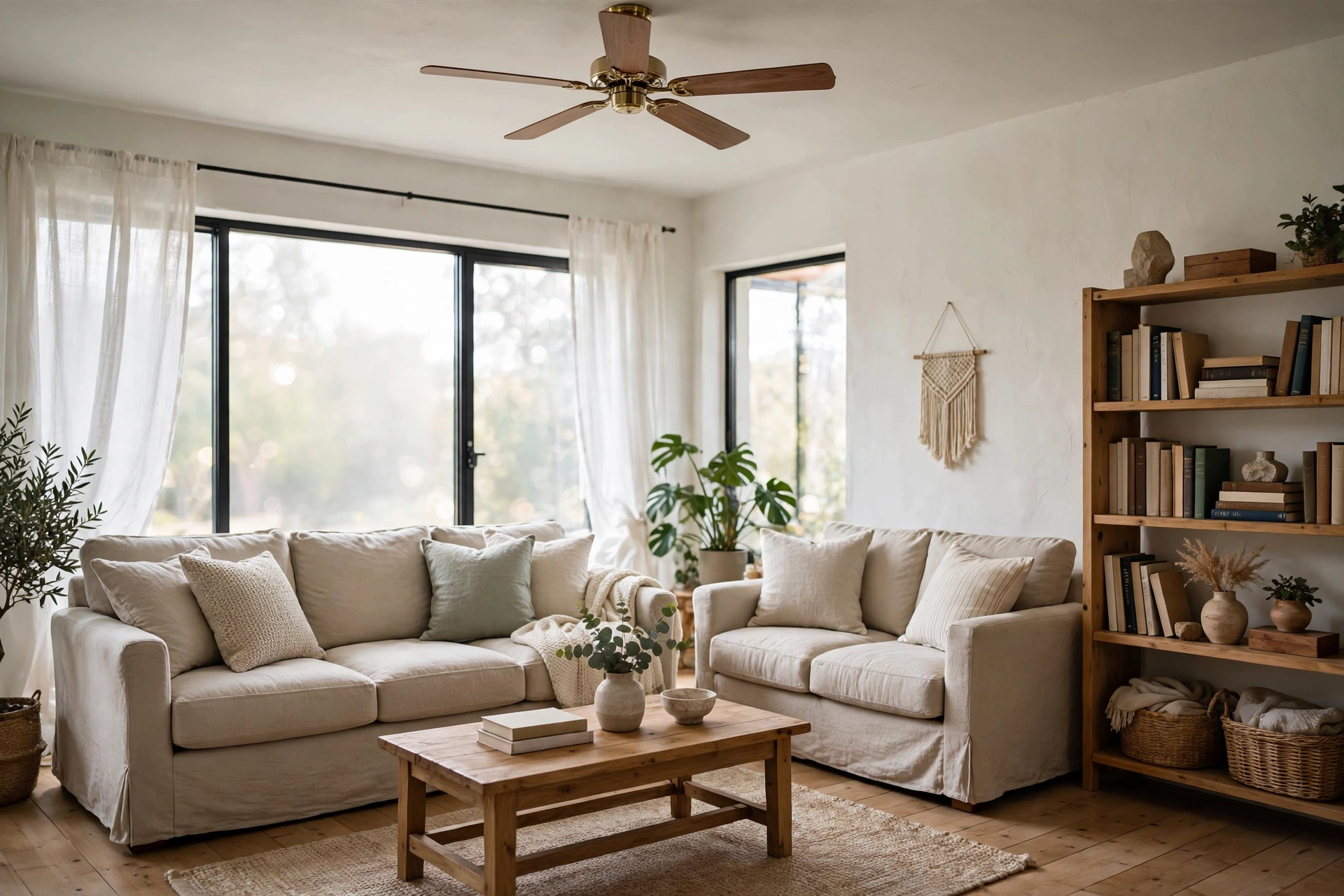
Cover every piece of furniture that stays in the room with clean plastic sheeting or purpose-made furniture covers, and tape the covers closed so dust cannot drift inside. Remove or cover light fixtures, chandeliers, and ceiling fans, or at minimum wrap them in plastic. Switch plates, outlet covers, and door handles should be masked with painter’s tape. In kitchens, cover appliances completely, and in bathrooms, cover sanitary ware. Do not forget air conditioning vents and returns, because paint overspray and sanding dust can get into the system.
If you have items of exceptional value, such as artwork, antiques, or a piano, move them to a room that is not being painted and lock the door if possible. No amount of sheeting replaces simply keeping irreplaceable things out of the work zone. Take photos of valuable items in place before the job as an extra record.
What Your Painters Handle and What You Handle
One of the most common sources of friction on painting jobs is unclear expectations about who does what. A professional painting scope in Dubai normally includes moving heavy furniture to the center of the room, covering furniture and floors with drop cloths and plastic, masking trim, windows, and fixtures, all surface preparation including filling, sanding, and priming, the painting itself, and a full cleanup at the end of each day and after the job. If any of these are missing from your quote, ask why before work starts. Our guide on what questions to ask before hiring a painter includes a scope checklist you can use during quoting.
Your responsibilities as the homeowner are different but equally important. You handle all small and personal items, including decor, electronics, clothing, and valuables. You empty cupboards and wardrobes that block painted walls, take down wall hangings and curtains, and make sure pets and children are kept clear of work areas. You also arrange access, parking, and any building permissions, which we cover below.
Be present or reachable on the first morning. The crew leader will want to walk the job with you, confirm colors room by room, and agree on where furniture goes and which bathrooms the crew may use. This ten-minute conversation prevents most misunderstandings. Agree on a daily check-in time too, so you can review progress and raise any concerns while they are easy to fix. If something in the quote looks vague, treat it as a warning sign. Our article on red flags to avoid when hiring a painting contractor explains which gaps in a quote tend to cause trouble later.
Plan for Kids Pets and Daily Life
Painting disrupts normal household routines, so plan daily life around the work rather than hoping the work fits around you. If you have young children, designate one room as a safe, paint-free zone and keep it closed off for the duration. Talk to kids in advance about which areas are off-limits, because wet paint, ladders, and open paint tins are genuinely hazardous. If possible, schedule the noisiest and smelliest phases, like sanding and priming, for times when children are at school or out of the house.
Ask your contractor about low-odor, low-VOC paint options, especially for bedrooms and children’s rooms. Modern water-based paints used by professional companies in Dubai are far less harsh than old oil-based products, but ventilation still matters. Keep windows open where possible and run the AC on fan mode to keep air moving, unless the crew advises otherwise for dust control.
Pets need a clear plan. Dogs should be kept in a closed room, with a friend or family member, or at a daycare facility during work hours, because open doors, strange noises, and unfamiliar people are stressful and escape-prone combinations. Cats are especially at risk from open paint tins and freshly painted surfaces, so confine them well away from work zones. For birds and fish, ask the contractor about fumes and keep them in a ventilated room far from sanding and painting, since they are sensitive to airborne particles. Never assume a pet will simply stay out of the way.
Think through the practicalities of daily life. If bathrooms are being painted, make sure at least one remains usable at all times and agree on the order of work with the crew. If the kitchen is in scope, plan simple meals or takeaway for a few days. Move your morning routine, including clothes, toiletries, and work bags, into an unaffected room the night before each phase starts.
Arrange Access Parking and Permissions
In Dubai, access logistics can make or break a painting schedule, so sort them out before day one. For villas, confirm which entrance the crew should use and make sure gates, garage remotes, and any access codes work. If the community has security gates, register the contractor’s vehicles in advance so the crew is not stuck at the gate each morning. Clarify where the crew can park, especially in communities with strict visitor parking rules.
Many Dubai communities and buildings require a no-objection certificate or work permit for renovation work, and painting sometimes falls under these rules. Check with your community management or building management well in advance, because permits can take several days to process. Ask specifically about allowed working hours, since many residential buildings restrict noisy work to certain times and prohibit work on Fridays or public holidays. Our guide on how to get painting quotes and what information painters need covers the access details worth confirming during the quoting visit.
For apartments, book the service elevator if your building has one, and confirm the route the crew will use to bring in ladders, paint, and sheeting. Protect common areas like corridors and elevator interiors along the way, or confirm that the contractor will. Introduce the crew leader to building security on the first day so there is a known point of contact. If you are a tenant, get written approval from your landlord before any painting begins, and agree in writing on the colors and who pays, since this is a frequent source of deposit disputes.
Build a Realistic Painting Timeline
A realistic timeline keeps everyone calm and avoids the classic mistake of expecting a full villa repaint in a single day. As a rough guide, a single bedroom typically takes one to two days including preparation, drying, and two finish coats. A full apartment usually takes three to five working days, while a large villa can take one to two weeks depending on the scope, the condition of the walls, and the size of the crew. Exterior work depends heavily on weather and access equipment.
Build drying time into your expectations. In Dubai’s humidity, water-based paints generally need a few hours between coats, and rushing this step is one of the most common causes of poor adhesion and uneven sheen. A professional crew will plan the sequence so that while one room dries, they prep the next. Ask for a day-by-day schedule in writing before work starts, including which rooms are done on which days, so you can plan your life around it.

Schedule smartly around your own calendar. Avoid booking painting to finish the day before guests arrive, a party, or a move-in date. Add a buffer day at the end for touch-ups and the final walkthrough, because even the best crews need a little time to perfect the details. If you are painting before moving into a new home, the ideal window is the empty period between getting the keys and moving furniture in, when the crew can work fastest and there is nothing to protect.
Finally, understand what affects the price as well as the timeline. The condition of your walls, the amount of preparation needed, and the quality of paint you choose all influence both. Our breakdowns of wall painting cost per square meter in Dubai and interior painting services and what is included in the price explain how scope, prep, and materials translate into quotes, so you can plan your budget alongside your schedule.
Related Painting Guides
- Wall Painting Cost per Square Meter in Dubai
- Interior Painting Cost Breakdown and What You Are Actually Paying For
- Interior Painting Services and What Is Included in the Price
- How to Get Painting Quotes and What Information Painters Need
- What Questions Should I Ask Before Hiring a Painter
- Red Flags to Avoid When Hiring a Painting Contractor
- Emergency Painting Services and Fast Turnaround Options
- Tenant vs Landlord and Who Pays for Apartment Painting
- Dubai Profixer Painting Services in Dubai
Get Your Home Ready With a Free Painting Quote
Planning a repaint and want a crew that handles the heavy lifting properly? Message Dubai Profixer on WhatsApp with your villa or apartment details, and we will walk you through the scope, the preparation plan, and a clear written quote with no obligation.
Chat on WhatsApp | Get Free Quote
Available 7 AM to midnight, 7 days a week.
Frequently Asked Questions
How far in advance should I start preparing my home for painting?
Start light preparation, like decluttering and choosing colors, one to two weeks before the job. Do the hands-on clearing, removing wall decor, boxing up small items, and emptying cupboards, the day before the crew arrives. If you need a community NOC or building permit, apply as early as possible, since approvals can take several days.
Do I need to move all my furniture out of the rooms being painted?
No. Move small and medium items out, and let the professional crew shift heavy furniture like beds, wardrobes, and sofas to the center of the room and cover it. Empty the contents of any wardrobes or cabinets that sit against walls being painted, so the crew can pull them away from the wall safely.
Will the painters protect my floors and furniture or should I do it myself?
Professional painters normally bring drop cloths, plastic sheeting, and masking tape, and protecting floors and furniture is part of a proper scope, so confirm it in your quote. For extra peace of mind, cover your most valuable items yourself before the crew arrives, and move irreplaceable pieces to a room that is not being painted.
Can we stay in the house while the painting work is happening?
Yes, in most cases. Crews typically work room by room, so you can live in the unaffected areas. Keep children and pets away from work zones, make sure at least one bathroom stays usable, and ask about low-odor paint options for bedrooms. Good ventilation makes the experience much more comfortable.
What should I do with pets during the painting project?
Keep pets completely away from work areas for the whole project. Confine cats in a closed room far from painting, arrange for dogs to stay elsewhere during work hours if possible, and keep birds and fish in a well-ventilated room away from sanding dust and fumes. Open doors and unfamiliar workers make escapes more likely, so plan ahead.
Do I need permission from my building or community before painting?
Sometimes. Many Dubai communities and residential buildings require a no-objection certificate or work permit for renovation work, and some xinclude painting. Check with your community or building management before booking, ask about allowed working hours, and register contractor vehicles with security to avoid delays on day one.