
Office Renovation Timeline in Dubai
Every business asks the same question before a renovation — how long will it take? The honest answer is that an office renovation timeline is built, not guessed. It comes from the scope, the sequence of trades, your building’s rules and the decisions you make along the way. Dubai Profixer lays out the phases in order, so you can see exactly what drives the programme.
This guide will not hand you a number of weeks, because any contractor who quotes a duration before a survey is inventing it. What it gives you instead is the sequence itself — and the knowledge of which phases stretch, which compress, and which ones are in your control.
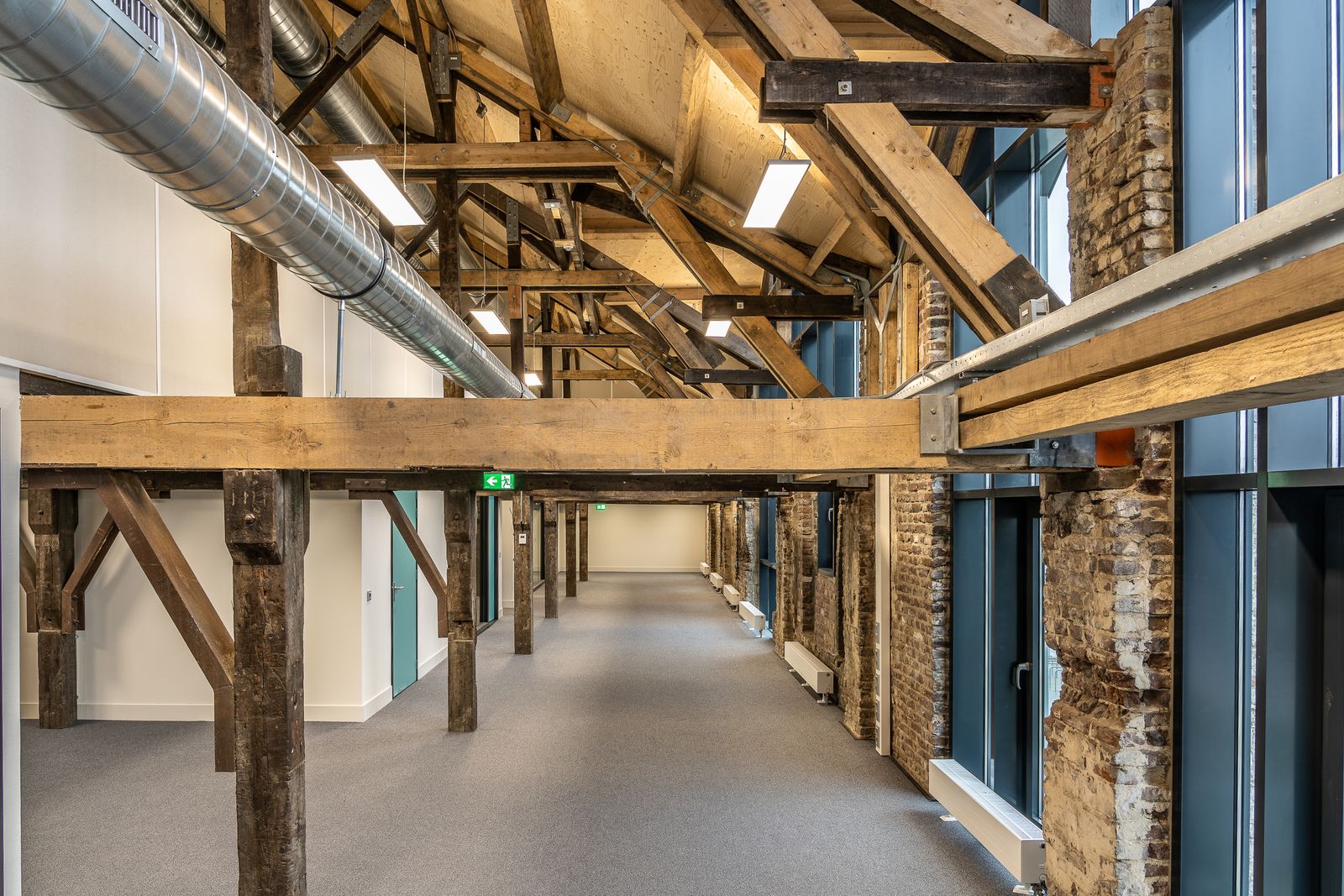
An office renovation timeline runs in a fixed order — survey and measure, scope and quotation, design decisions, building requirements, strip-out, first-fix services, construction, second-fix and finishes, then snagging and handover. The phases cannot be shuffled, because each one feeds the next. How long the whole programme takes depends on the size of the scope, whether your team stays in occupation, how quickly decisions and approvals land, and what the strip-out reveals. Dubai Profixer builds the programme from your survey and your building’s rules rather than from a template — call 0524601612 (7 AM to midnight) to start yours with a survey.
The Phases of an Office Renovation in Order
Strip any renovation down and you will find the same skeleton. Some phases take a single visit, others dominate the programme — but the order below is the order that works, and it is the backbone of every timeline Dubai Profixer builds for a full office renovation in Dubai.
Survey and Scope
The office is measured, photographed and assessed, and the work is defined in a written scope. Nothing downstream is reliable until this phase is done properly.
Design and Decisions
Layout, finishes, materials and fittings are chosen and frozen. Every late change after this point lands somewhere in the programme — usually on the completion date.
Requirements and Access
Building management requirements, landlord consent where it applies, crew access and lift bookings are confirmed. This phase runs on other people’s desks, which is why it shapes so many timelines.
Strip-Out and First Fix
Old finishes and fittings come out, and the hidden services go in — cabling, pipework, partition framing and ceiling work that everything else will cover up.
Construction and Second Fix
Partitions are boarded and skimmed, ceilings closed, flooring laid, joinery fitted, and the visible fittings — lights, switches, glass, doors — are installed and connected.
Finishes, Snagging and Handover
Final paint, deep clean, a room-by-room snagging walk with you, corrections, and the handover of a finished office with its records in order.
What Happens Inside Each Phase
Understanding what each phase actually contains is what separates a realistic programme from a hopeful one. Here is the work inside the sequence, and the timing behaviour each phase is known for.
Survey, Measure and Scope
The survey captures dimensions, existing services, condition and constraints — including your building’s working hours, loading access and rules for noisy work. From it comes the written scope that the whole programme hangs on. This phase is short, but rushing it is the classic false economy, because every measurement missed here becomes a variation later. The wider preparation method sits inside our office renovation planning guide.
Design Decisions and the Freeze Point
Layouts are drawn, finishes sampled and fittings selected. The phase ends at a freeze point — the moment the design is locked so materials can be ordered and trades sequenced. Decisions made before the freeze cost nothing but time in a meeting. The same decisions made after it cost reordering, rebooking and rework. If your project needs genuine design input rather than like-for-like renewal, that work belongs to our office fit out in Dubai process, where design leads and construction follows.
Building Requirements and Approvals
What your project needs from building management and your landlord depends on your building, your lease and the nature of the work — there is no universal Dubai answer, and anyone who gives you one has not checked. Some towers process requests quickly, others work to fixed review cycles. Because this phase waits on third parties, experienced planners start it early and run it in parallel with design decisions, never in series behind them.

Strip-Out and First Fix
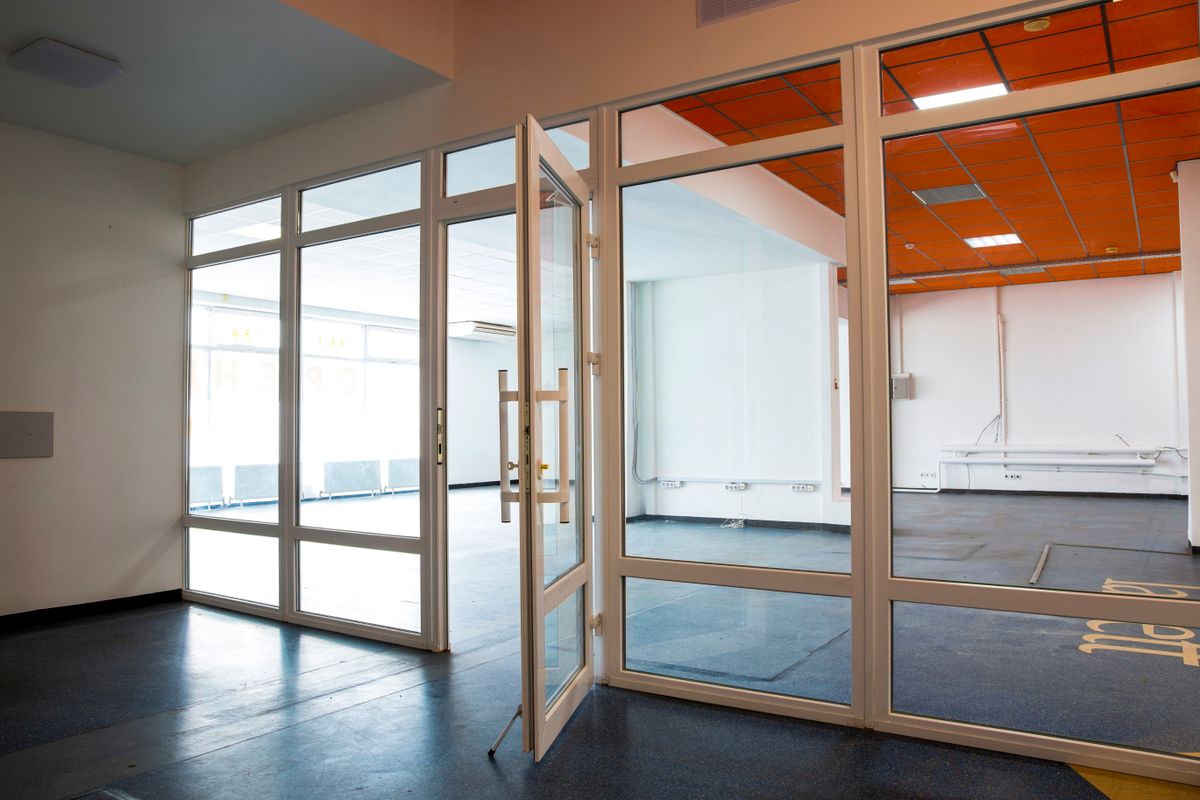
Strip-out is fast but revealing — this is the phase where concealed conditions appear, from hidden damage to services that do not match any drawing. First fix follows immediately, because the framing, cabling and pipework installed now will be covered by boards, ceilings and floors within days. Inspection and testing belong inside this phase, while everything is still visible. Programmes that allow a small contingency of time here absorb surprises calmly. Programmes built with zero slack convert every surprise into a delay.
Construction, Second Fix and Finishes
This is the longest visible stretch of most programmes — partitions completed, ceilings closed, joinery installed, glass fitted, flooring laid and final coats applied. Its length depends on the scope and the building’s permitted working windows more than on the speed of any individual trade, which is why two projects of the same size can run to noticeably different programmes in different towers. In an occupied office, the same work is sequenced zone by zone, as described in our occupied office renovation approach.
Procurement and Material Lead Times
Running quietly underneath the visible phases is procurement — the ordering of glass, joinery, flooring, lighting and fittings, each with its own lead time between order and delivery. This hidden track is why the design freeze matters so much. An item chosen early is ordered early and arrives while earlier phases are still running. The same item chosen late arrives late, and no amount of on-site effort installs a partition that is still in transit. Dubai Profixer sequences orders against the programme at scope stage, flagging any selection whose lead time sits close to the phase that needs it, so a slow decision is visible as a programme risk weeks before it becomes a delay.
Snagging, Testing and Handover
The final phase walks every room against the scope — doors, lights, sockets, cooling, finishes — and corrects what falls short before you sign. It is short when the earlier phases were disciplined and long when they were not. A proper handover also assembles the records of what was changed, which protects you at lease end, as our office handover checklist sets out.
Five Things That Stretch or Shrink a Timeline
When two renovations of similar size finish weeks apart, the difference is rarely effort. It is almost always one of these five drivers — and knowing them lets you influence your own programme before it is fixed.
- Scope size and complexity — a surface refresh and a full layout change are different animals. Deciding honestly between them, as our refurbishment vs renovation guide explains, is the first timeline decision you make.
- Decision speed — finishes, layouts and fittings chosen promptly keep procurement moving. A programme can only order what has been decided, and undecided items queue silently until they become the critical path.
- Your building’s rules — permitted working hours, noisy-work windows, lift booking systems and management review cycles are set by the tower, not the contractor. They cap how much work fits into any given week.
- Occupation — renovating around a working team means phasing, protection and handovers between zones. The same scope in an empty office almost always runs faster, which is a real factor in the renovate-while-occupied decision.
- What the strip-out reveals — concealed damage, undocumented services and previous poor workmanship surface only when finishes come off. A small time contingency in the programme is not pessimism. It is experience priced in.
Notice what is not on the list — a contractor simply working faster. Compressing a programme by rushing trades produces defects that return as snagging, and snagging at the end takes longer than care in the middle. The realistic levers are scope, decisions, phasing and early paperwork, and all four are strongest before work starts.


How Dubai Profixer Keeps a Timeline Honest
A timeline is a promise built from sequencing, and it stays honest the same way the scope does — in writing, phase by phase. This is how Dubai Profixer runs programmes for renovation clients across Dubai, from the first survey to the signed handover.
One Programme, Named Phases
Your project gets a single programme with the phases in this guide, sequenced against your building’s access rules and your occupation plans — not a start date and a hopeful end date.
Decisions Listed With Owners
Every design and material decision the programme depends on is listed with the date it is needed by. When a decision slips, you see exactly which phase it touches.
Requirements Started Early
Building management and landlord requirements are identified at survey stage and set in motion in parallel with design, so third-party waiting time overlaps your decision time instead of adding to it.
Progress Reported Against Phases
Updates report phase completion, not percentages. You always know which phase the project is in, what it is waiting on, and what happens next — the method our office renovation checklist is built around.
Changes Priced in Time as Well as Money
Any scope change is agreed in writing with its programme effect stated before work proceeds. A change that costs nothing in money can still cost days, and you deserve to see both figures.
Snagging Planned, Not Discovered
The snagging walk and handover are in the programme from day one, with the same discipline as the works phases — including what happens with the space afterwards, from occupation to eventual office reinstatement obligations.
A Programme Built From Your Office, Not a Template
Most renovation anxiety is timeline anxiety — not knowing how long the disruption lasts or when the office comes back. Dubai Profixer removes the guesswork the only honest way there is. We survey the actual space, confirm the actual building rules, scope the actual work, and build the programme from those facts. The result is a sequence you can plan your business around, with the dependencies visible instead of buried.
We also tell you the uncomfortable parts plainly. If your building’s working windows make your hoped-for completion unrealistic, you hear it before you sign, not after the strip-out. If a decision you are postponing sits on the critical path, we show you the date it starts costing time. Straight programme conversations at the start are what prevent difficult ones in the middle.
Our working hours are 7 AM to midnight, every day. Call 0524601612 or message us on WhatsApp — tell us the office, the scope you have in mind and any deadline you are working towards, and we will arrange the survey that turns those facts into a real programme. Budget questions belong in the same conversation, and our office renovation cost guidance explains how the money side is structured.
Get a Timeline Built From a Real Survey
Tell us your deadline and we will tell you honestly whether the scope fits it — and what would need to change if it does not. One survey, one written scope, one programme with named phases. Serving all Dubai business areas, 7 AM to midnight.
Office Renovation Timeline FAQs
How long does an office renovation take in Dubai?
What are the main phases of an office renovation?
Can the phases overlap to save time?
What delays office renovations most often?
Do building rules really affect the timeline?
Does staying in the office make the renovation slower?
What happens if something unexpected is found during strip-out?
When should we start planning if we have a fixed deadline?
Can a renovation be sped up once it has started?
Your Deadline Deserves an Honest Programme
One survey. One written scope. One timeline with named phases and visible dependencies. Dubai Profixer serves every Dubai business community, 7 AM to midnight, every day.