
Pergola Maintenance Dubai: Complete Care Guideby Dubai Profixer
Pergola maintenance Dubai homeowners can follow — how to keep your wooden or aluminium pergola looking its best in the heat, dust and humidity: cleaning routines, timber care, aluminium care, fixing checks and a seasonal checklist.
On This Page
Dubai is demanding on anything left outdoors. Fine desert dust coats every surface, summer UV is relentless, humidity spikes in late summer, and the occasional shamal wind tests every fixing. A pergola that gets basic, regular care will look good and stay sound for many years; one that's ignored will show it within two summers — faded timber, dusty frames, wobbly bolts. The good news: none of this care is difficult or time-consuming. This guide covers exactly what to do, how often, and what to watch for, for both wooden and aluminium pergolas.
Cleaning Routines for Dubai Dust
Dust is the defining maintenance factor in Dubai — not rain, not frost. A simple routine keeps it from building into grime:
- Weekly or fortnightly dust-off: brush down beams, rafters and posts with a soft broom or microfibre cloth. Five minutes prevents the grey film that makes pergolas look neglected.
- Monthly wash in dusty season: from spring through the shamal months, hose the structure down monthly and wipe with a bucket of warm water and mild dish soap. Work top to bottom so dirty water doesn't streak cleaned areas.
- Quarterly wash otherwise: in the cooler months, every two to three months is enough for most gardens.
- Pressure washers — with caution: a garden hose is safest. If you use a pressure washer, keep it on a low setting, hold it at least 30cm away, and never blast oiled timber at close range — it strips the finish and raises the grain.
- Clean the floor too: dust and leaf litter collect where posts meet the ground. Sweep the base of each post regularly — trapped debris holds moisture against timber and fixings.
Always rinse soap fully and let the structure dry in airflow before replacing cushions or fabric. Washing in the early morning avoids water spots baking on in midday heat.
Wooden Pergola Care in UAE Heat
Timber is beautiful outdoors, but Dubai's sun is its toughest critic. UV breaks down unprotected wood surfaces, turning rich brown timber silver-grey. That greying is cosmetic — the wood beneath is usually sound — but most owners prefer to keep the original colour. Here's how:
Oiling vs Sealing
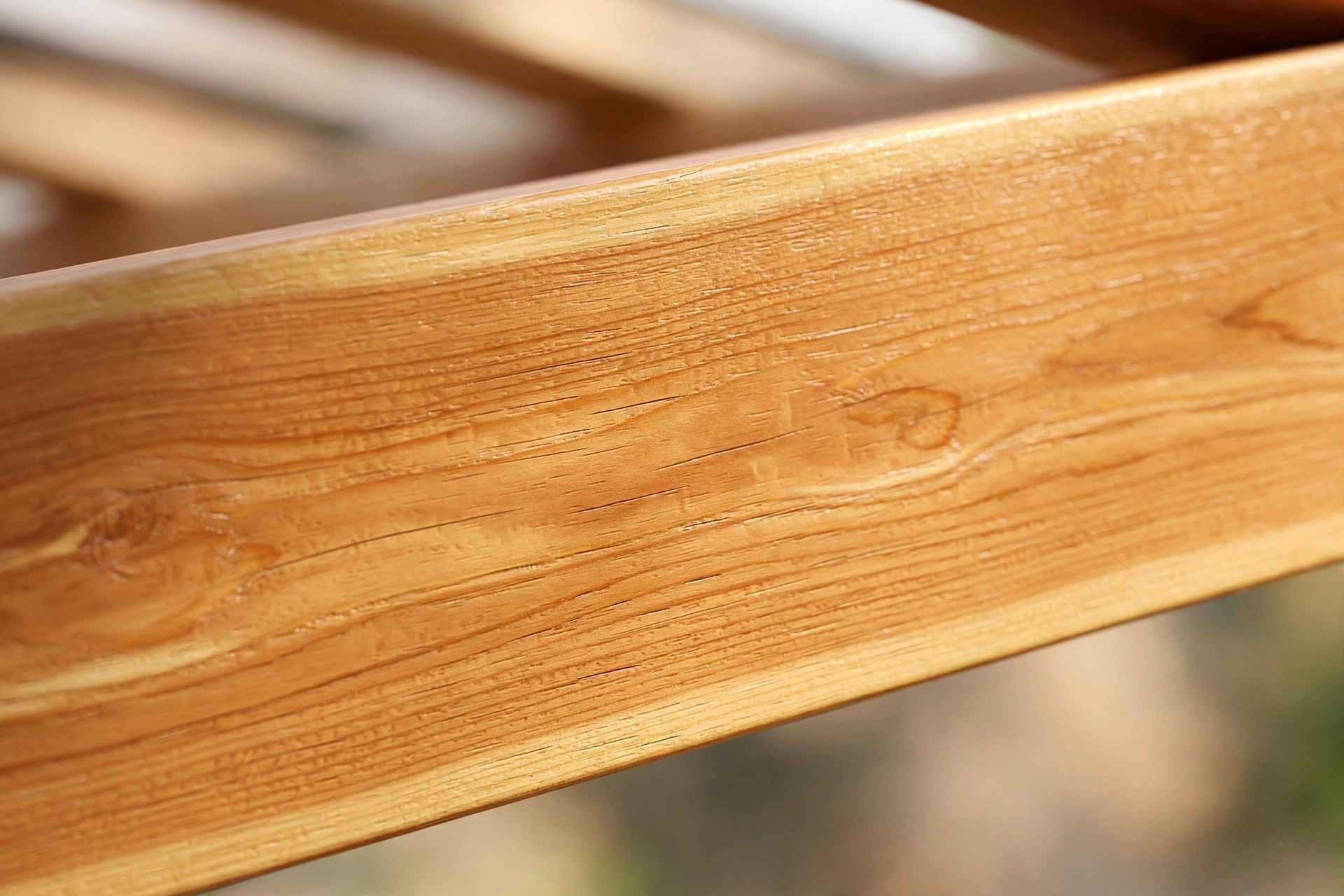
The two main approaches to protecting outdoor timber are penetrating oils and surface sealants. Oils soak into the wood, nourishing it and slowing UV greying while keeping a natural matt look. Sealants form a protective film on the surface, often with stronger UV blockers and water repellency. Either works in Dubai; oils need reapplying more often but are easier to refresh, while sealants last longer between coats but need more preparation when they eventually wear. Whatever you choose, use a product made for exterior timber in hot climates and follow the manufacturer's instructions exactly — application in extreme midday heat can cause uneven results, so work in the morning.
How Often to Treat Timber
- Typically once or twice a year in Dubai's climate — horizontal surfaces (the tops of beams and rafters) weather fastest and may need attention sooner than vertical posts.
- Watch for the signs: water no longer beading on the surface, a dry or faded look, or greying spreading beyond the surface. These mean the protection has worn through.
- Prep before recoating: clean the timber thoroughly and let it dry completely. Lightly sand any rough or flaking areas with fine sandpaper, always along the grain, and brush off the dust.
- Test first: apply the product to a hidden spot and check the colour once dry — oils darken timber slightly, and the effect varies by wood species.
What to Avoid on Timber
- Bleach and harsh chemicals: they damage wood fibres and kill nearby plants when rinsed off.
- Painting over problems: paint traps moisture in exterior timber in humid months and peels. If you want a painted look, it needs proper exterior primer and preparation — not a quick coat.
- Ignoring the end grain: the cut ends of beams absorb water fastest. Make sure they were sealed at installation and check them at each treatment.
- Soil contact: timber posts should never sit directly in soil or mulch. If yours do, clear the material back and consider post shoes or raising them — ground contact dramatically shortens timber life.
Aluminium Pergola Care
Powder-coated aluminium is the low-maintenance champion — it doesn't rot, warp or need oiling. "Low maintenance" isn't "no maintenance," though:
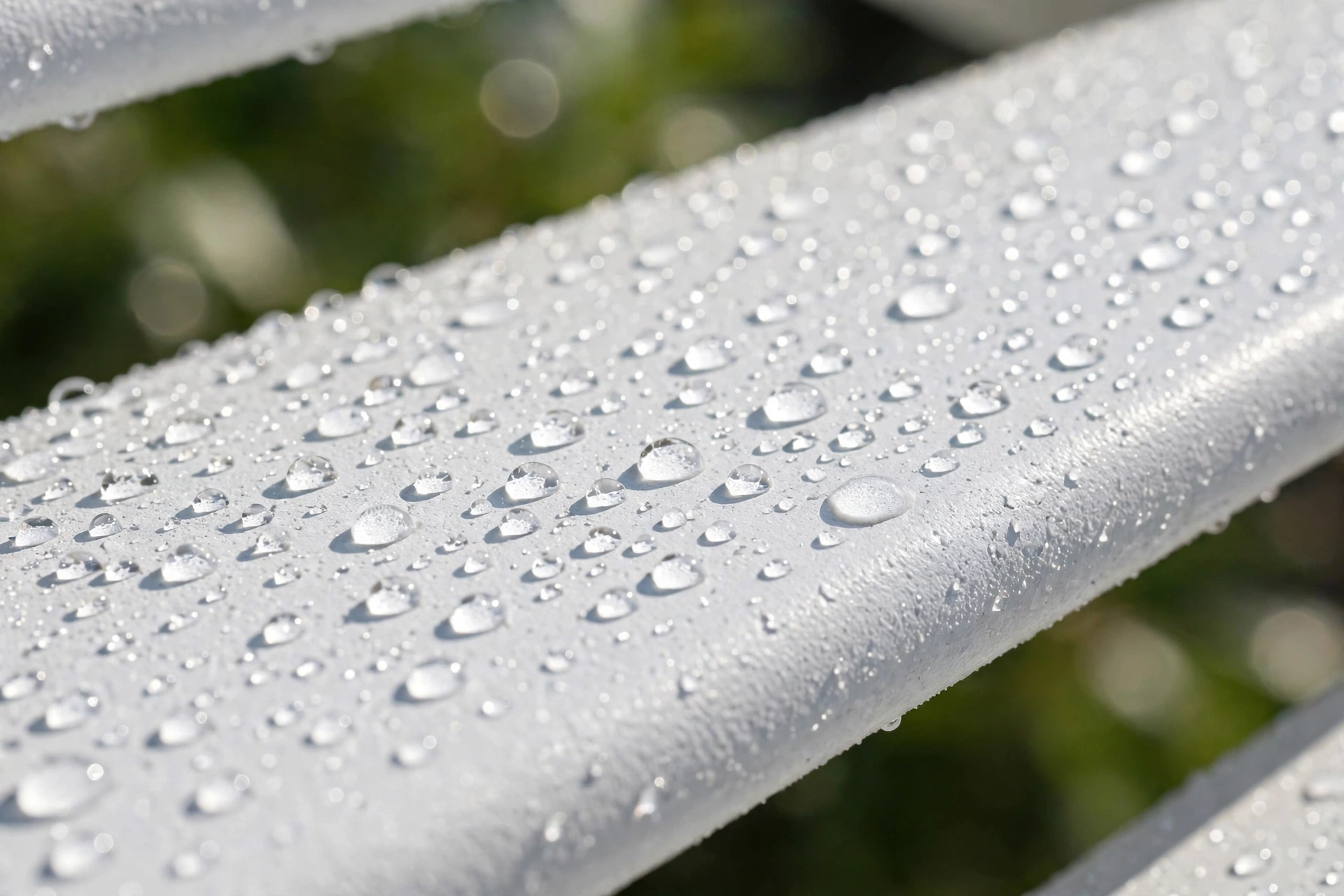
- Wash a few times a year: warm water with mild soap and a soft cloth or sponge removes dust, bird droppings and airborne grime. Rinse well.
- Never use abrasives: scouring pads, wire brushes and harsh solvents scratch the powder coating. Once scratched, the exposed aluminium can corrode in coastal humidity.
- Touch up chips promptly: if the coating gets chipped — from furniture knocks or installation — clean the spot and touch it up with matching exterior touch-up paint. Small chips are easy; ignored chips spread.
- Watch coastal corrosion: in marina and Palm areas, salt air is harder on all metals. Rinse frames with fresh water a little more often and check fixings for white powdery corrosion.
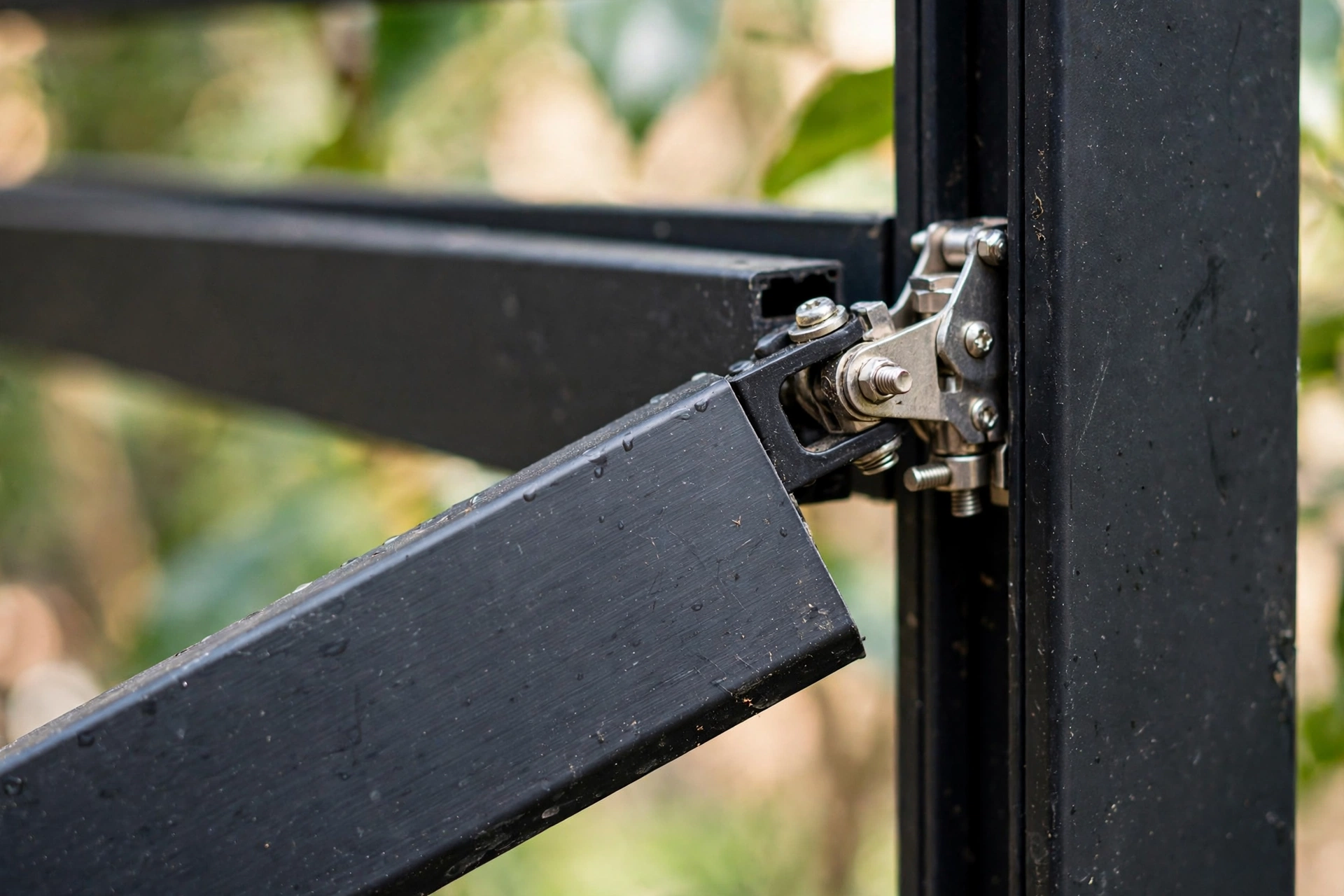
- Lubricate moving parts: if your pergola has adjustable elements, a drop of silicone lubricant on pivots once a year keeps them smooth. Avoid oil-based lubricants that attract dust.
Checking Fixings & Structure
The structure check is the most important maintenance task and the most skipped. Twice a year — ideally before summer and before winter — walk your pergola with a critical eye:
- Bolts and brackets: check every visible bolt, screw and bracket. Tighten anything loose with the correct tool — don't overtighten, which strips threads and cracks timber.
- The wobble test: push each post firmly. A pergola should feel rock solid. Any movement means fixings need attention or footings have shifted.
- Post bases: look for water pooling, cracked concrete footings, or timber posts soft at ground level. Soft timber at the base is the most serious common issue — it means rot is starting.
- Rust on fasteners: surface rust on steel bolts and brackets is common in humidity. Wire-brush it off and treat with a rust converter; replace fasteners that are deeply pitted.
- After storms: do an extra check after any high-wind event. Wind finds the weak fixing you missed.
Shade Fabric & Accessories
Fabric elements — shade sails, outdoor curtains, canopy covers — need their own care:
- Regular shake-out: dust and sand collect in fabric folds. Take curtains and removable sails down every couple of months, shake them out and air them.
- Washing: most outdoor fabrics wash with mild soap and a soft brush, then air-dry fully before rehanging. Never machine-wash unless the label says so, and never store fabric damp.
- Mould and mildew: Dubai's humid late-summer months can spot fabrics with black mildew. A diluted white-vinegar solution and a soft brush usually clears it; rinse and dry thoroughly in sun.
- Check tension: shade sails stretch over time. A sagging sail flaps in wind and collects water. Re-tension per the manufacturer's guidance — a taut sail lasts far longer than a loose one.
- Wind plan: know which fabric elements should come down before forecast high winds, and where you'll store them. Five minutes of prevention beats replacing a torn sail.
- Cushions and rugs: store in a deck box during dusty or stormy spells; wash covers at the start and end of the heavy-use season.
Seasonal Maintenance Checklist
Dubai's year divides neatly into four maintenance windows. Put these in your calendar:
Mar – May: Warming Up
- Full wash-down after winter dust
- Check and tighten all fixings
- Re-oil or reseal timber if water no longer beads
- Re-tension shade sails
- Service outdoor lighting before evening season
Jun – Sep: Peak Heat
- Monthly hose-down to clear dust
- Check timber for sun damage on top faces
- Ensure fabric elements secure for wind
- Store cushions during shamal dust
- Water climbing plants deeply; check irrigation
Oct – Nov: Cooling Down
- Post-summer structural check
- Touch up aluminium chips before outdoor season
- Wash and air all fabrics
- Clean and test lighting for evening use
- Clear debris from post bases
Dec – Feb: Mild Winter
- Light quarterly wash
- Inspect for humidity-related mildew on fabric
- Check drainage around footings after rain
- Plan any bigger refresh work for spring
- Enjoy it — this is peak pergola season
Your Pergola Care Toolkit
You don't need specialist equipment — most pergola care uses ordinary household items. Keeping this small kit together means maintenance actually happens:
- Soft broom and microfibre cloths: for the regular dust-off. Microfibre grabs fine Dubai dust far better than old rags.
- Garden hose with spray nozzle: your main washing tool. A nozzle with a gentle shower setting is ideal — enough to rinse, not enough to damage.
- Bucket, mild dish soap, soft brush: the universal pergola wash. A long-handled soft brush reaches beams without a ladder for most pergolas.
- Fine sandpaper (120–180 grit): for smoothing rough timber spots before re-oiling. Always sand along the grain.
- Exterior timber oil or sealant: matched to your wood type and Dubai's climate. Buy a little more than you think — running out mid-beam leaves visible lap marks.
- Touch-up paint: matching your aluminium frame's powder-coat colour, for chips. Your installer or a paint supplier can match it.
- Silicone lubricant: for any moving parts. Avoid oil-based sprays that turn into dust magnets.
- Stable step ladder: most pergolas need one for beam tops. Never stand on the beams themselves.
Store timber treatment products sealed and out of direct sun — Dubai garage heat degrades them in the tin. And keep the product labels: knowing exactly what was applied last time makes the next recoat far easier.
Common Maintenance Mistakes
These are the errors we see most often — all avoidable:
- Washing at midday: water and soap dry in seconds on hot surfaces, leaving spots and streaks. Early morning is the only sensible washing time in summer.
- Oiling dirty wood: treatment applied over dust and grime seals the dirt in and fails early. Clean, dry, then treat — the order is non-negotiable.
- Treating in extreme heat: applying oil or sealant onto 50°C timber causes uneven absorption and a patchy finish. Work before 10am or after the surface cools.
- Ignoring the tops of beams: everyone maintains what they can see. The upward-facing surfaces take the most UV and rain — they're what fail first.
- Using indoor products outdoors: interior wood oil, standard wall paint and household bleach have no place on a pergola. Exterior-rated products exist for a reason.
- Letting plants take over fixings: climbers are wonderful until they grow through brackets and shade sails. Trim back from all hardware twice a year.
- Forgetting the "after" check: any maintenance involving water near fixings — washing, irrigation changes — deserves a quick bolt check once things dry.
When to Call a Professional
Most pergola maintenance Dubai homeowners do is easy DIY. Call a qualified contractor when you see:
- Structural movement: leaning posts, cracked beams, or footings that have shifted or cracked. These are engineering issues, not cosmetic ones.
- Rot at post bases: soft, crumbling timber at ground level may need posts replaced — the repair must address the cause (drainage, soil contact), not just the symptom.
- Widespread corrosion: more than surface rust on brackets, anchors or fasteners, especially in coastal areas.
- Electrical work: anything involving pergola lighting wiring should be done by a qualified electrician — never DIY mains wiring outdoors.
- Storm damage: after significant wind damage, have the whole structure assessed before using it again, even if it "looks fine."
A professional assessment every few years is cheap insurance for a structure your family sits under daily. Ask for the fixings, footings and timber condition to be checked specifically — those are the three things that actually fail.
Pergola Maintenance: FAQs
Building New? Start With the Right Materials
A pergola built from quality timber or powder-coated aluminium is easier to maintain from day one. See our pergola options — wooden, aluminium and furnished — or request a quote on WhatsApp.
Request a Quote